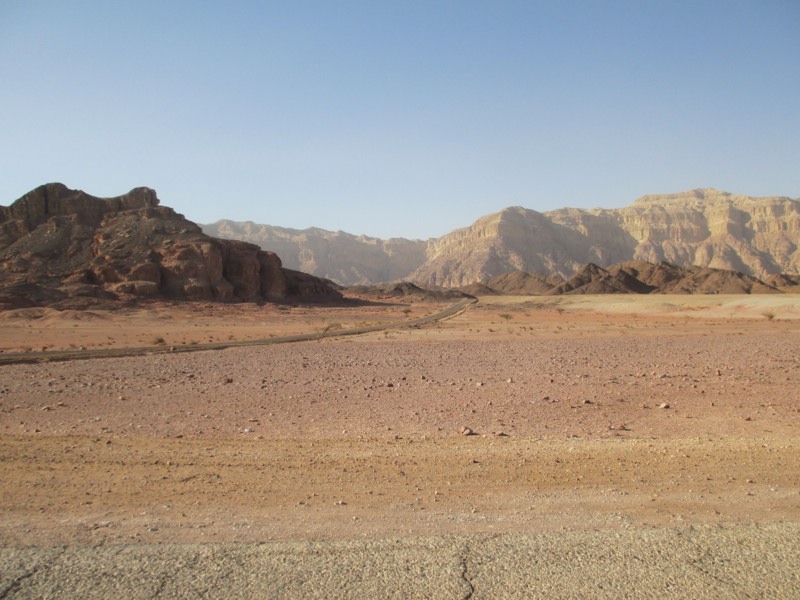
Desert region
The desert region in extreme southern Israel where Moses and the children of Israel journeyed with the Tabernacle during their 40 year journey in the desert.
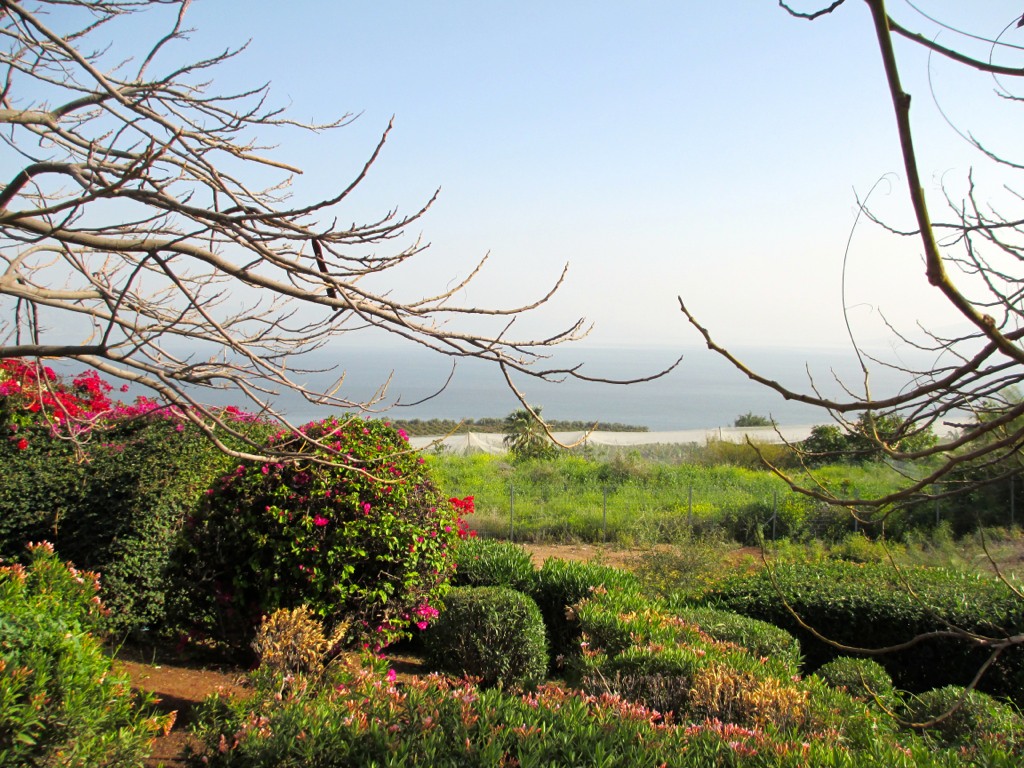
Mount of Beatitudes
Mount of Beatitudes. The traditional place in northern Galilee where Jesus gave the great Sermon on the Mount as recorded in Matthew 5-7.
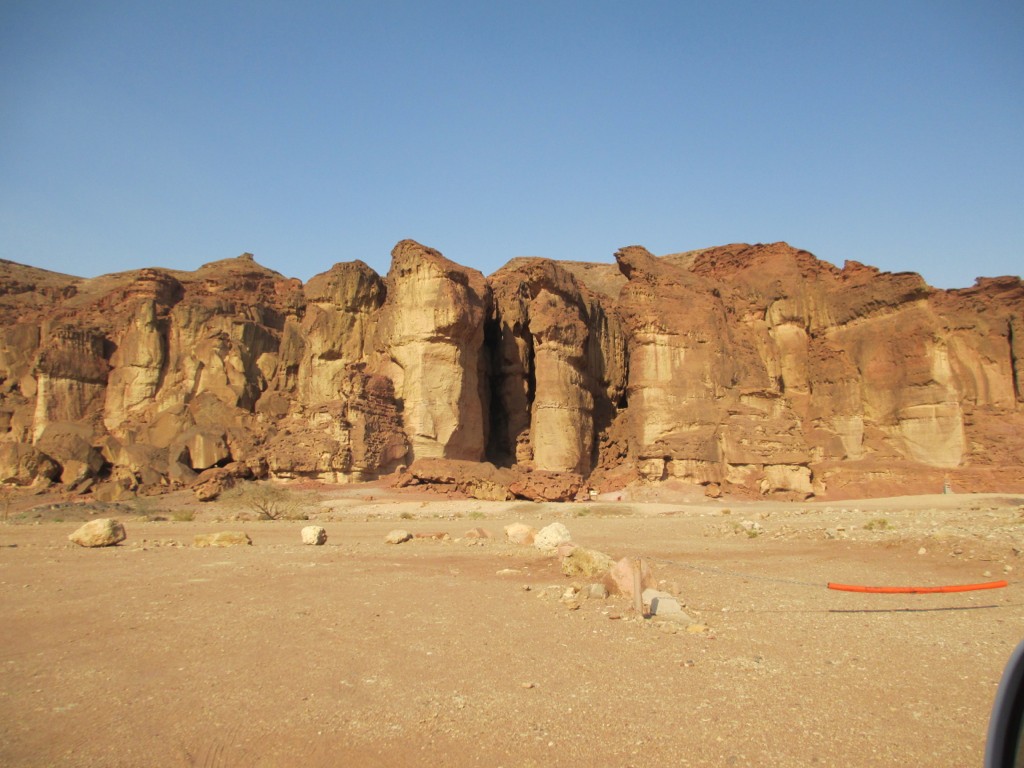
Solomon's Pillars
Solomon's Pillars. Site in Timna Park in southern Israel just outside of the city Eilat.
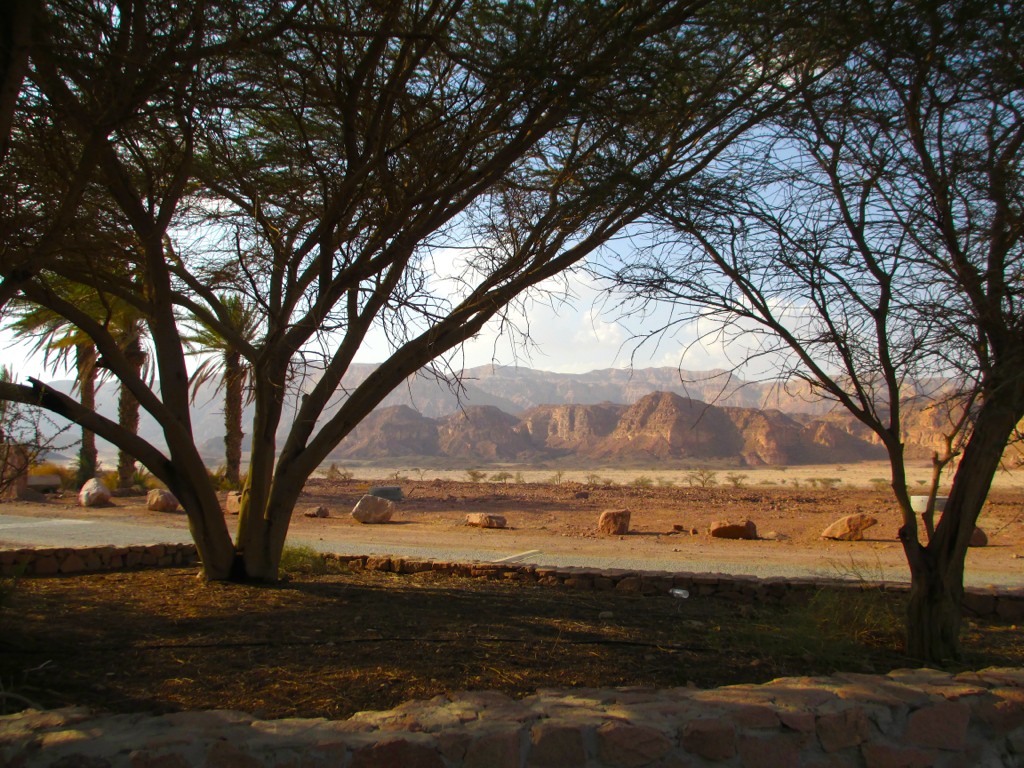
Timna Park
Timna Park. An area in southern Israel where Moses and Israel stayed and set up the Tabernacle
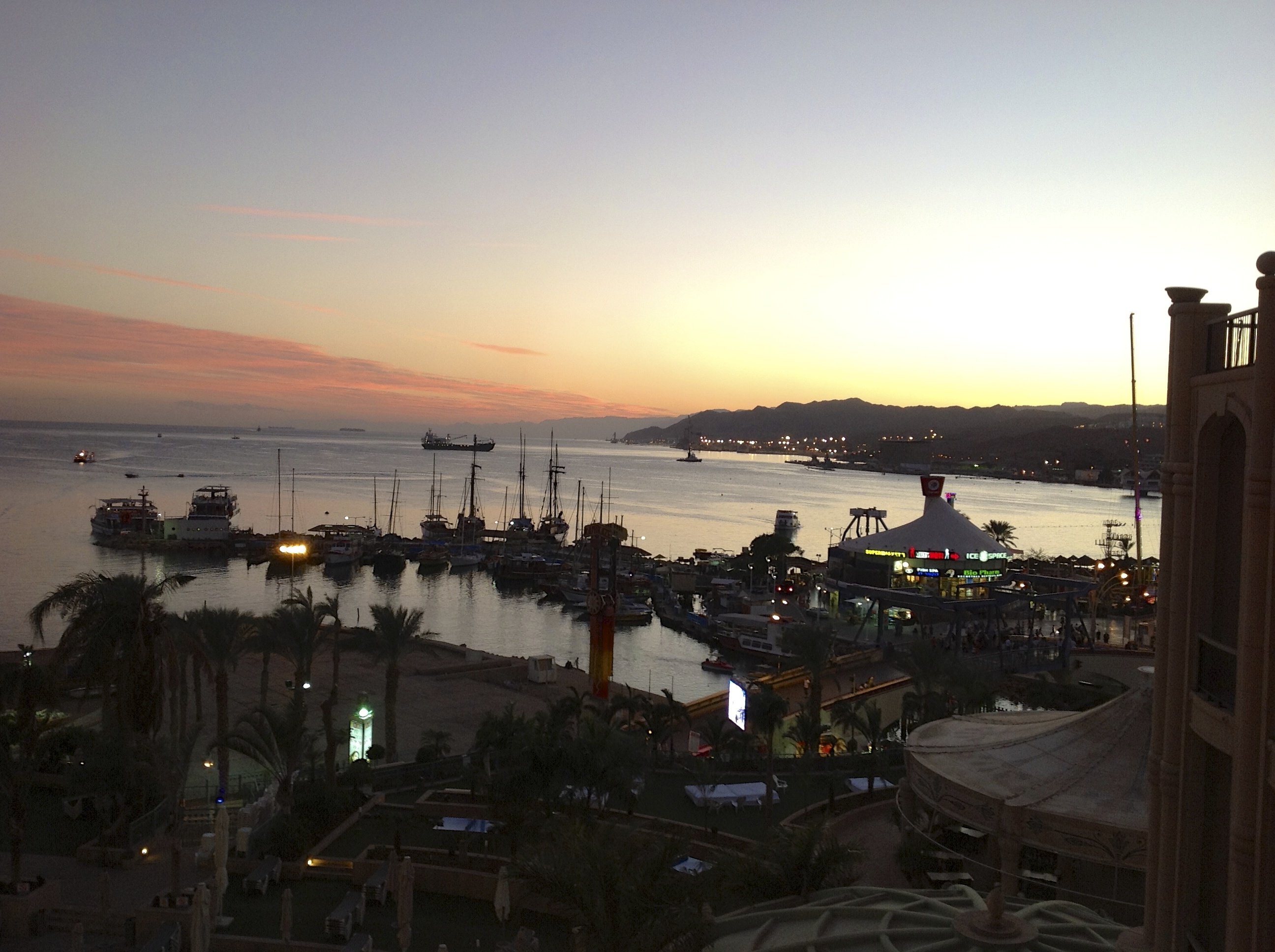
The Red Sea in the city of Eilat
Dusk on the Red Sea in the city of Eilat.
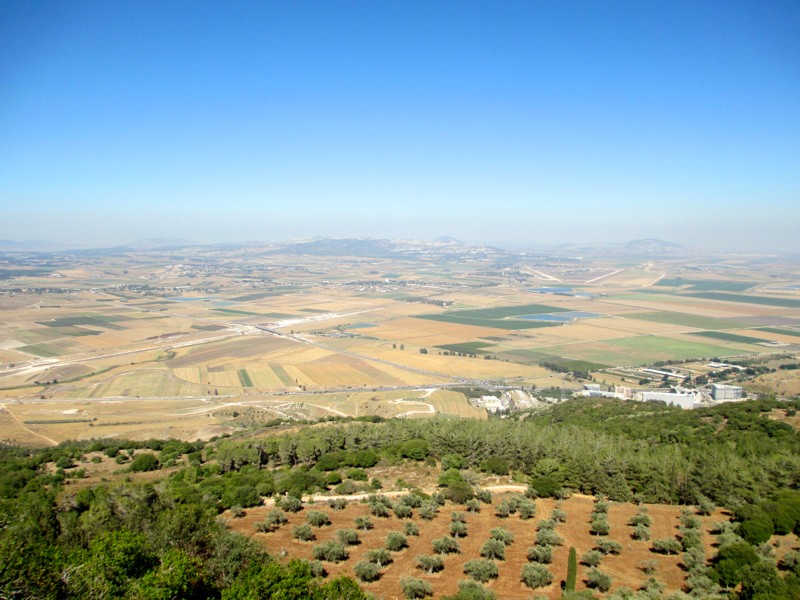
The Jezreel Valley
The Jezreel Valley seen from Mt. Carmel. A rich thirteen mile mountain range whose peak looks over the Jezreel Valley. It was here Elijah had his classic battle with Jezebel’s false prophets of Baal (1Kings 18:19-39). After the God of Israel vindicated Elijah, the prophet slew the prophets of Baal at the foot of Mount Carmel at the Brook Kishon (1Kings 18:40). Today at the summit of Mount Carmel, there is a statue of Elijah with knife in hand to signify his slaying the false prophets of the evil Queen Jezebel.
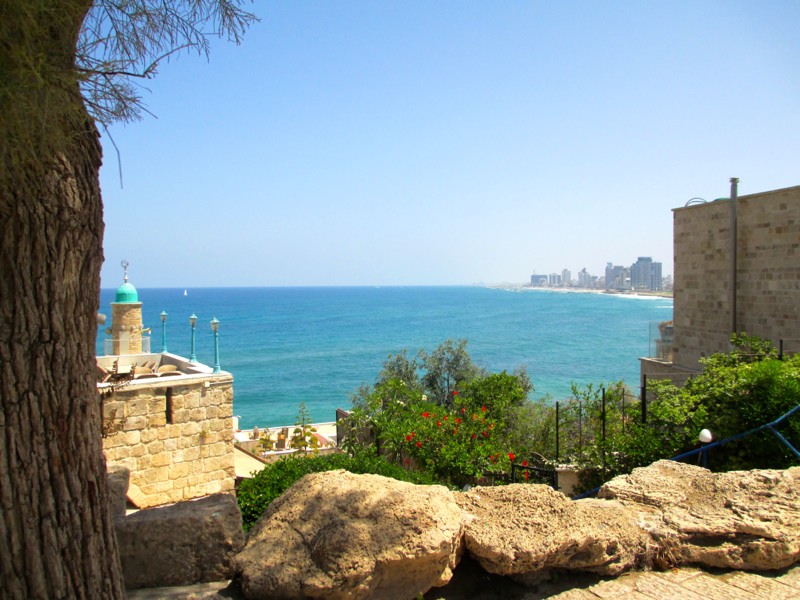
The City of Joppa
The City of Joppa is the ancient port city where Jonah the Prophet sought to flee the Lord's command to go and preach to Ninevah (Jonah 1:3). In Joppa, the apostle Peter raised Dorcas back to life (Acts 9:36-43). While sitting on the roof of Simon the tanner's house in Joppa, the Lord gave Peter a vision wanting him to share the Gospel of salvation with the Gentiles, starting with Cornelius the Roman centurion in Caesarea (Acts 10). Today modern day Joppa is a suburb of Tel Aviv made up of mostly a Jewish population.
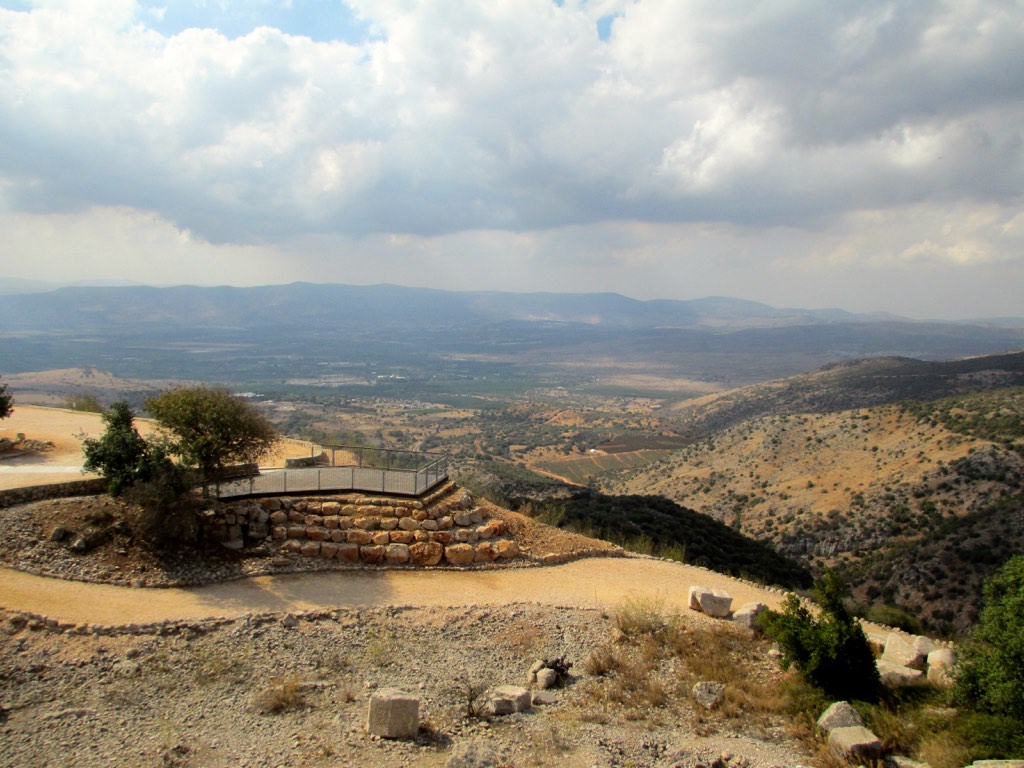
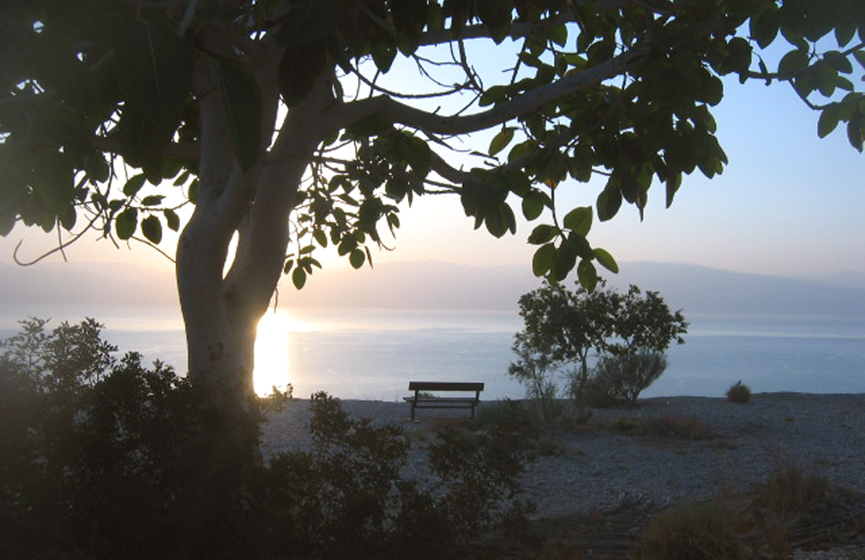
Sea of Galilee
Evening view of the Sea of Galilee
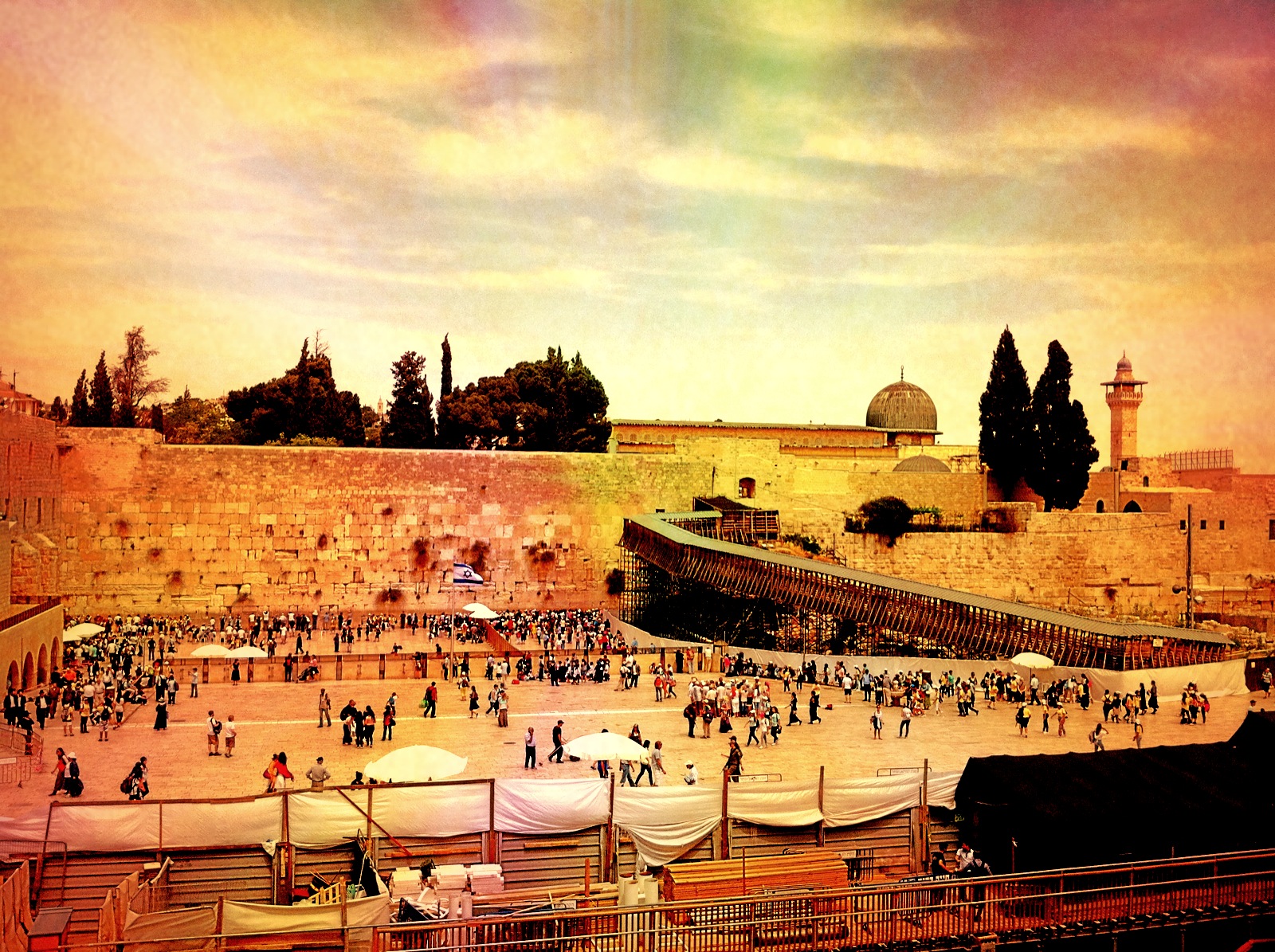
Western wall
Called the Kotel in Hebrew. The ancient wall was the western half of the retaining wall for the Second Temple during the time of Jesus Christ. Because of its proximity to the Temple, the Western Wall has been deemed the holiest site in all of Judaism. Jews from Jerusalem, Israel, and all parts of the world come to pray at the Wall everyday Bar Mitzvahs are regularly celebrated in front of the Wall. Christian pilgrimages often come here to pray too because of the significance the Second Temple played in the life and ministry of the Lord Jesus. Construction of this Wall with its mammoth stones was started in 19 B.C. by King Herod the Great and was finished by his great grand son King Herod Agrippa II. The Western Wall is the only standing remains of the Temple area after the Romans thoroughly destroyed and dismantled the Temple in A.D. 70, literally not leaving one stone upon another as Jesus foretold forty years earlier for Israel's rejection of Him (Matthew 24:2).
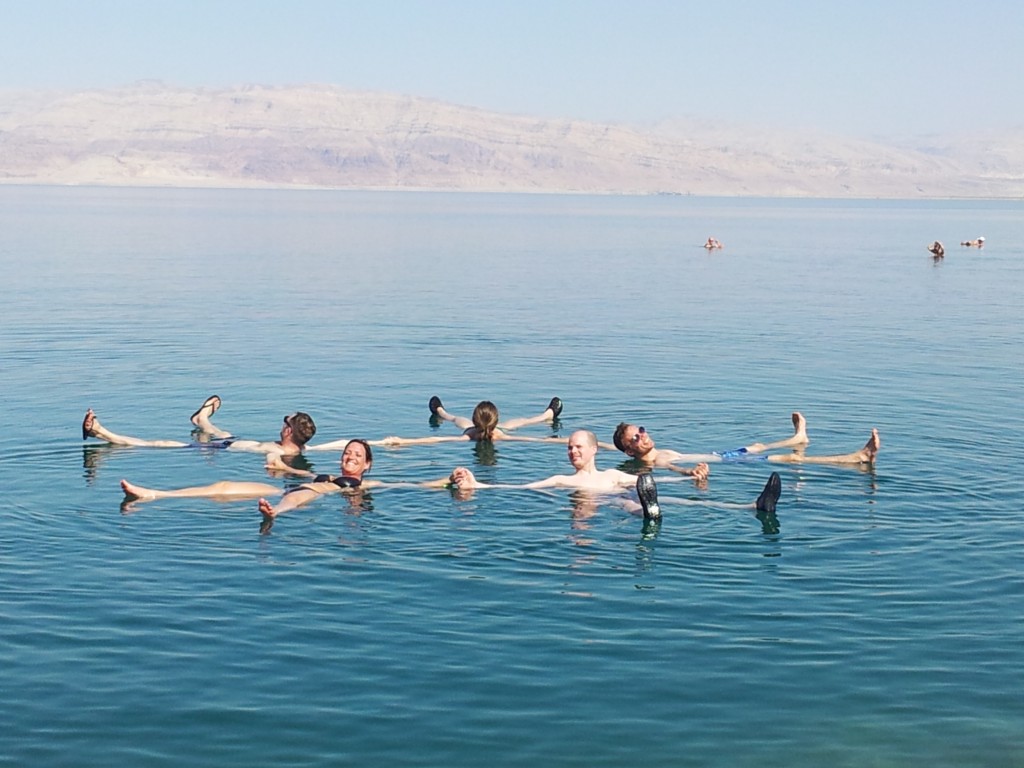
Dead Sea
People floating in the extremely salt water of the Dead Sea
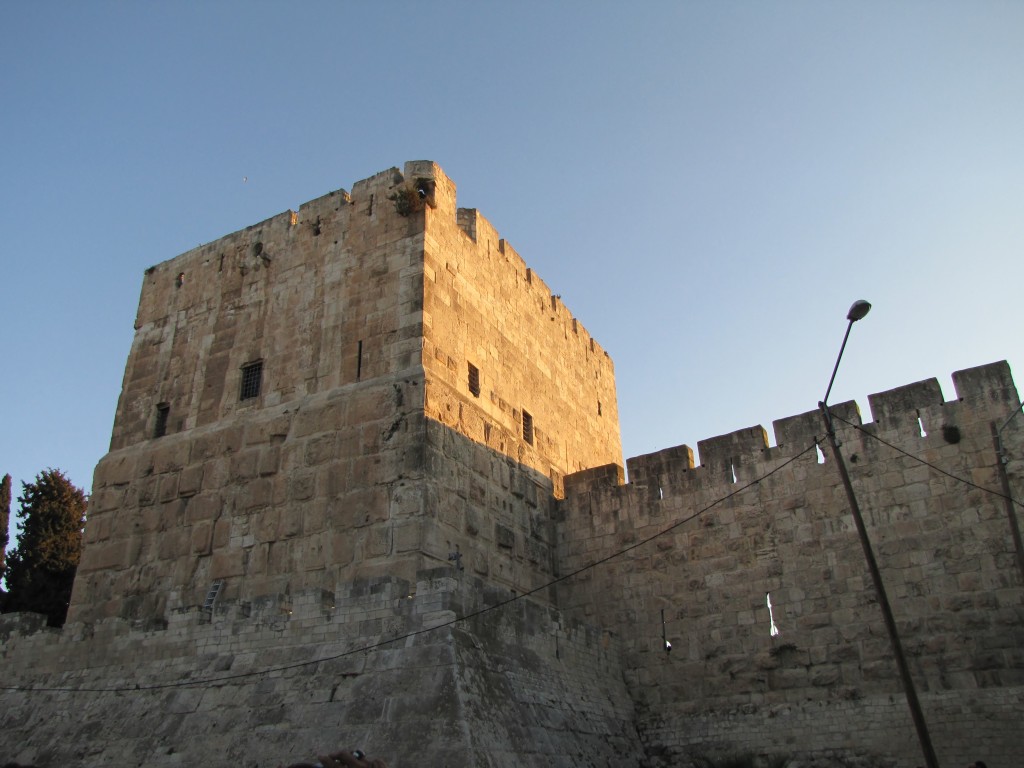
Watch post
Watch post on the wall of the Old City in Jerusalem
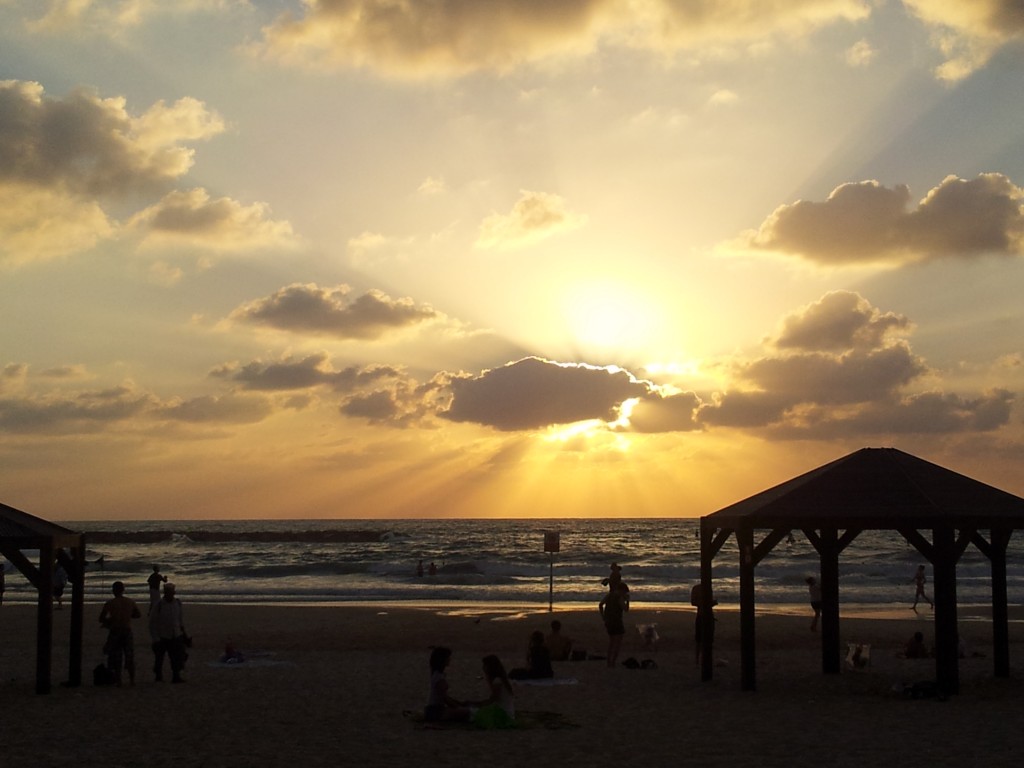
Tel Aviv beach
Sunset on a beach in Tel Aviv.
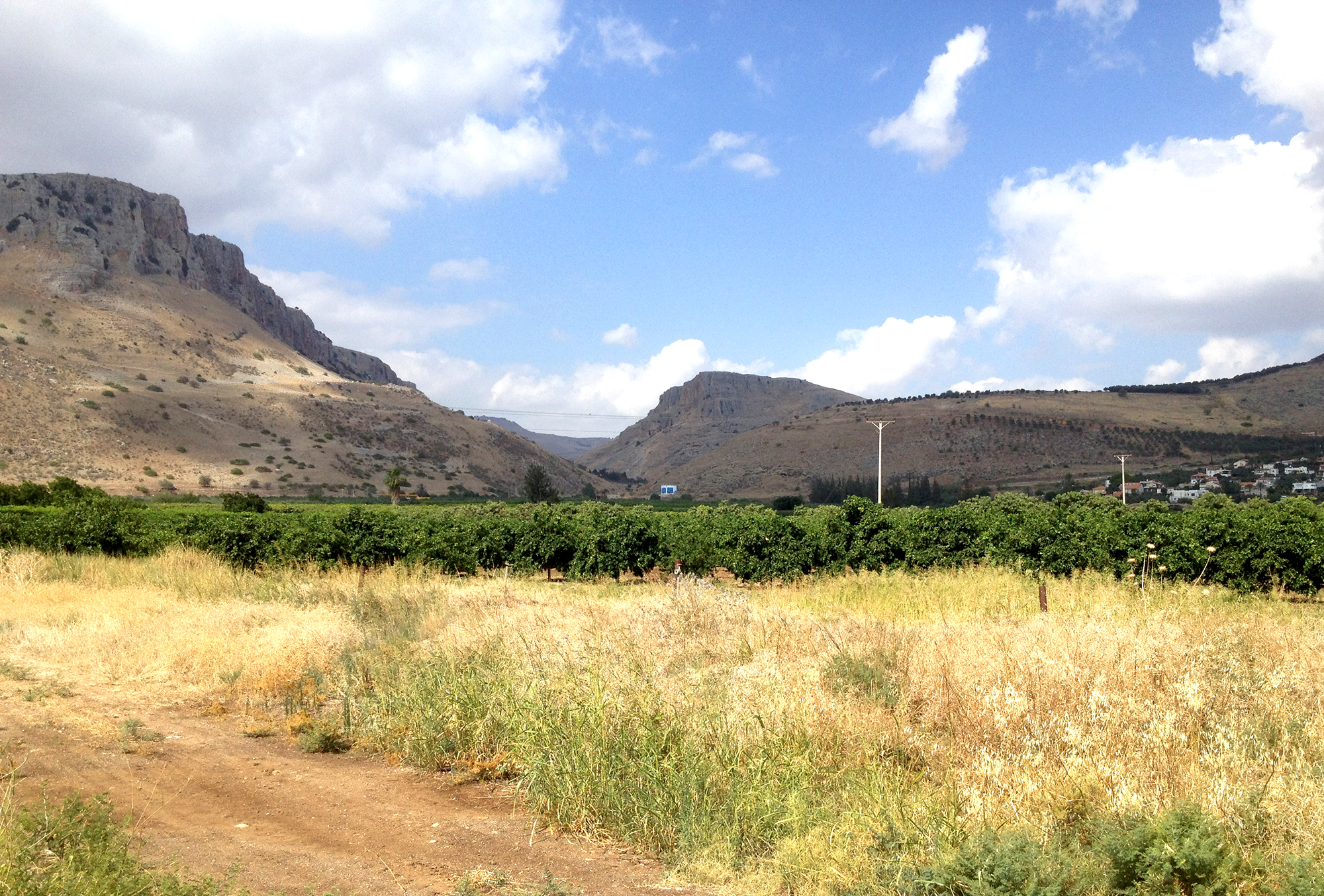
The Horns of Hattin
The Horns of Hattin on the northern side of the Lake of Galilee. This is the mountain pass Jesus walked through when he was about to start His ministry and choose his first disciples.
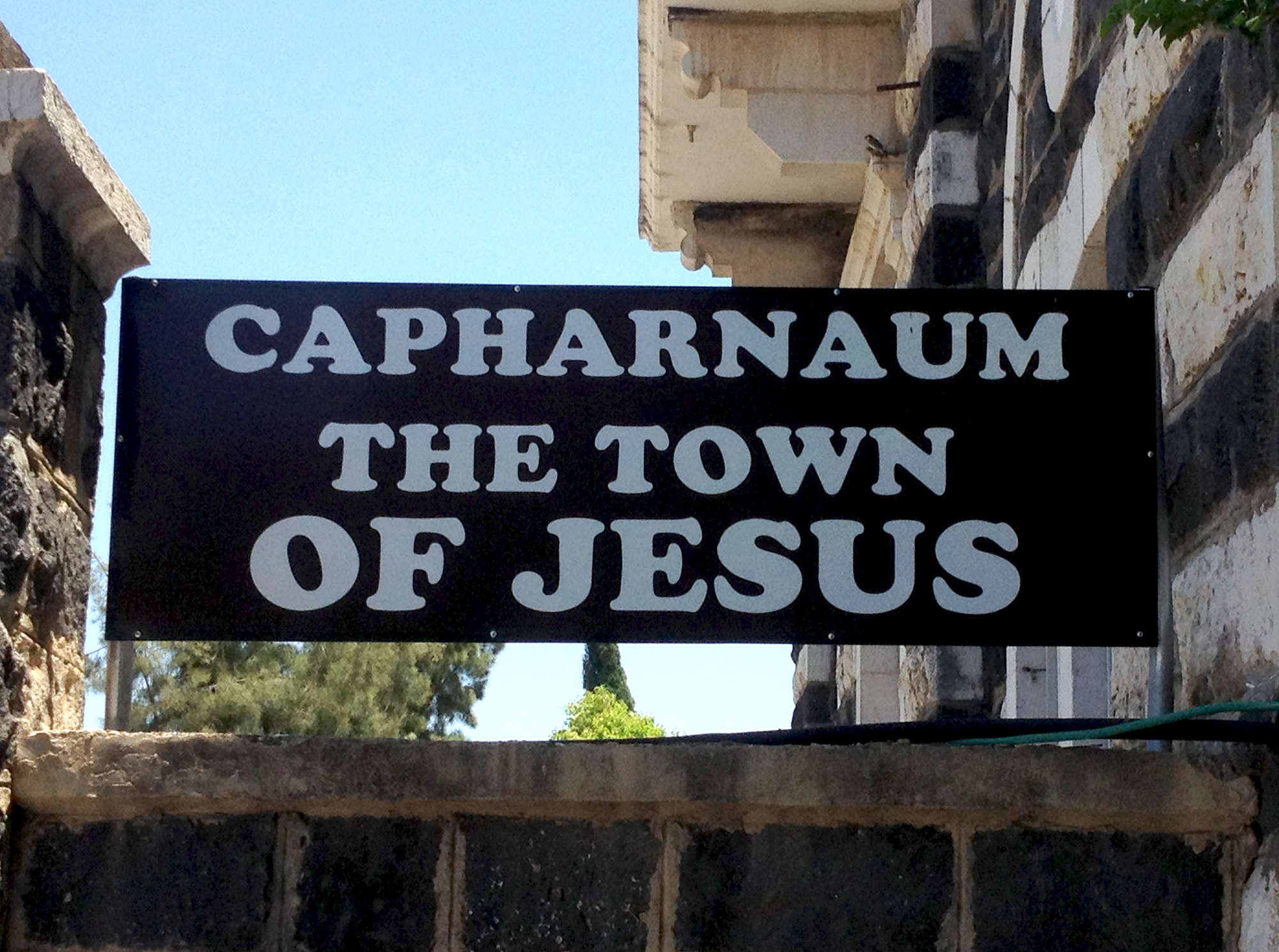
Capernaum
Capernaum, the city where Jesus made His base of ministry operations in as "His own city" (Matthew 9:1). Peter and his family lived here. Jesus did some of his most amazing miracles in Capernaum: healing of the centurion's servant (Matthew 8:5; Luke 7:1); Peter's mother-in-law ((Mark 1:30); the paralytic man (Luke 5:18; Mark 2:1). The ruins the first century synagogue still stand in Capernaum today where Jesus exorcised a demonic spirit from a demon-possessed man (Mark 1:21-28). This was of the three cities in northern Galilee Jesus cursed for their rank unbelief at His greatest miracles done within their city limits (Matthew 11:23). In fulfillment of this prophecy of judgment,
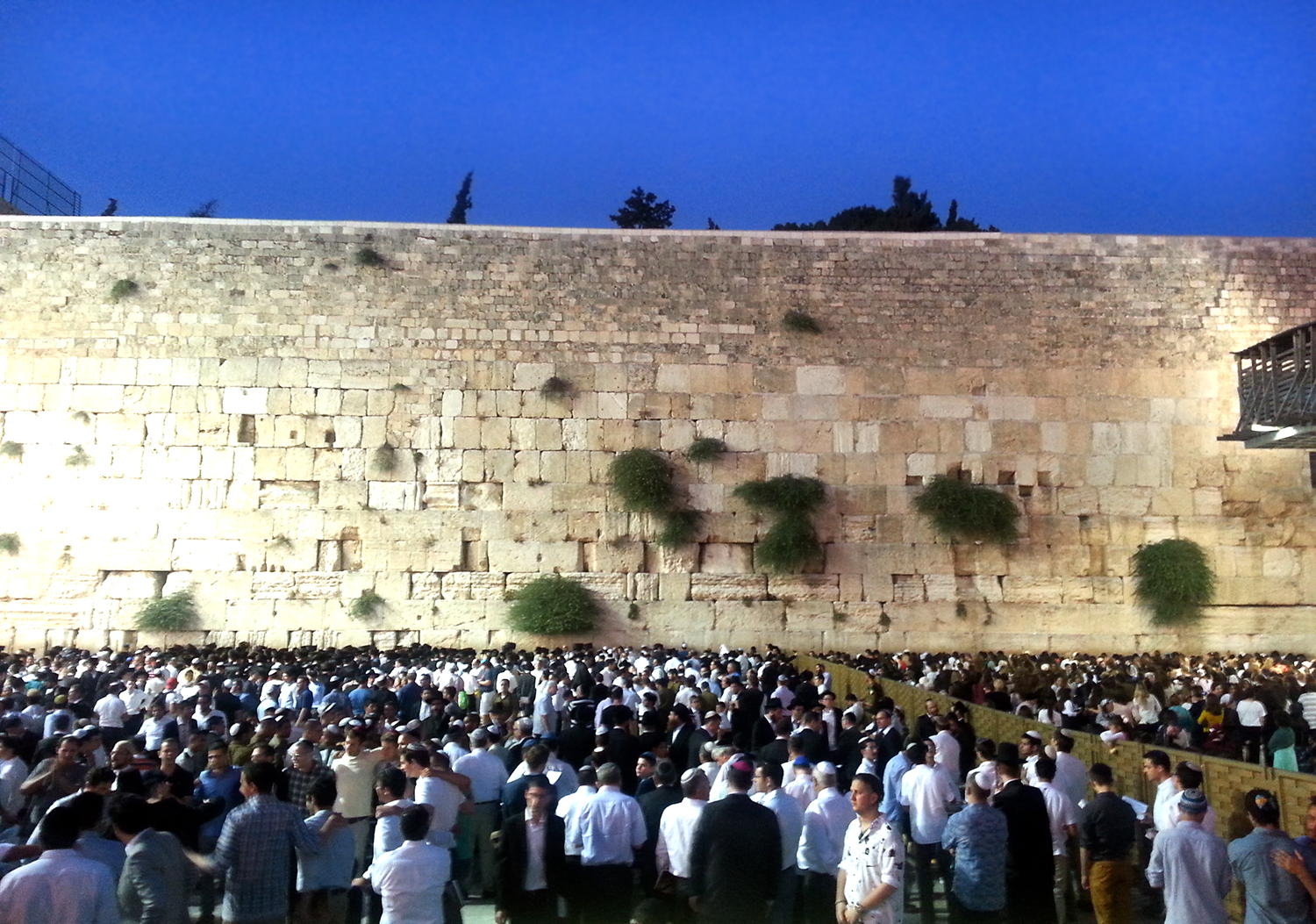
The Western Wall
The Western Wall
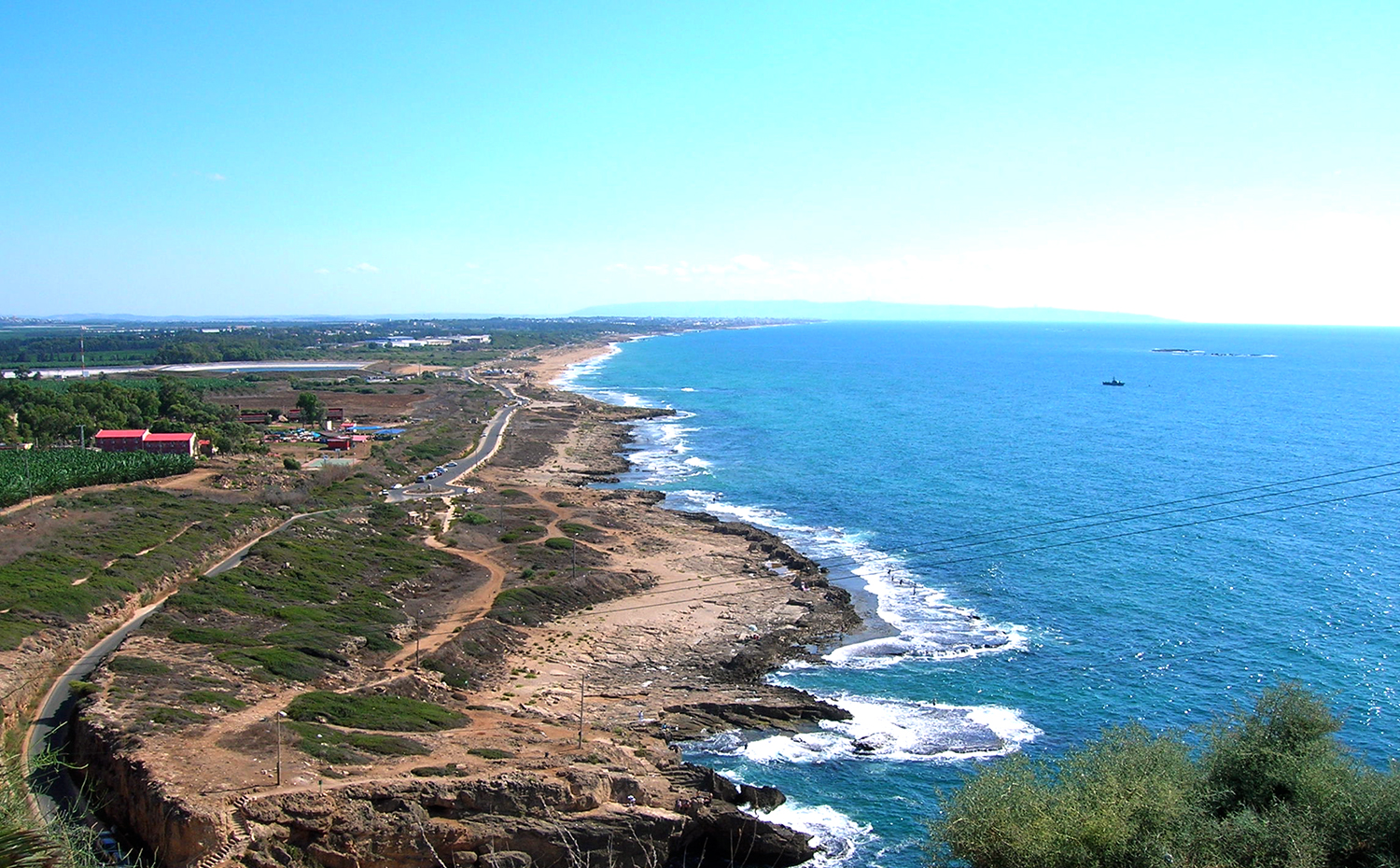
Cesarea Philippi
Shore in Caesarea Maritima. Philip the evangelist and deacon lived in Caesarea with his four daughters who prophesied. He was the first to preach the Gospel in Caesarea (Acts 6:5; 8:40; 21:8-9). The apostle Peter came to Caesarea to preach the Gospel to Cornelius and here the door of salvation was opened to the Gentiles (Acts 10). God struck down King Herod Agrippa I in Caesarea for his blasphemous acceptance of worship as a god from the people (Acts 12:19-24. The apostle Paul spent t two years in prison in this seaport city for preaching the Gospel in Jerusalem. He made three outstanding and powerfully articulate defenses for his ministry and the Gospel before the Roman procurators Felix and Festus and also before King Agrippa II (Acts 23:23-27:2).
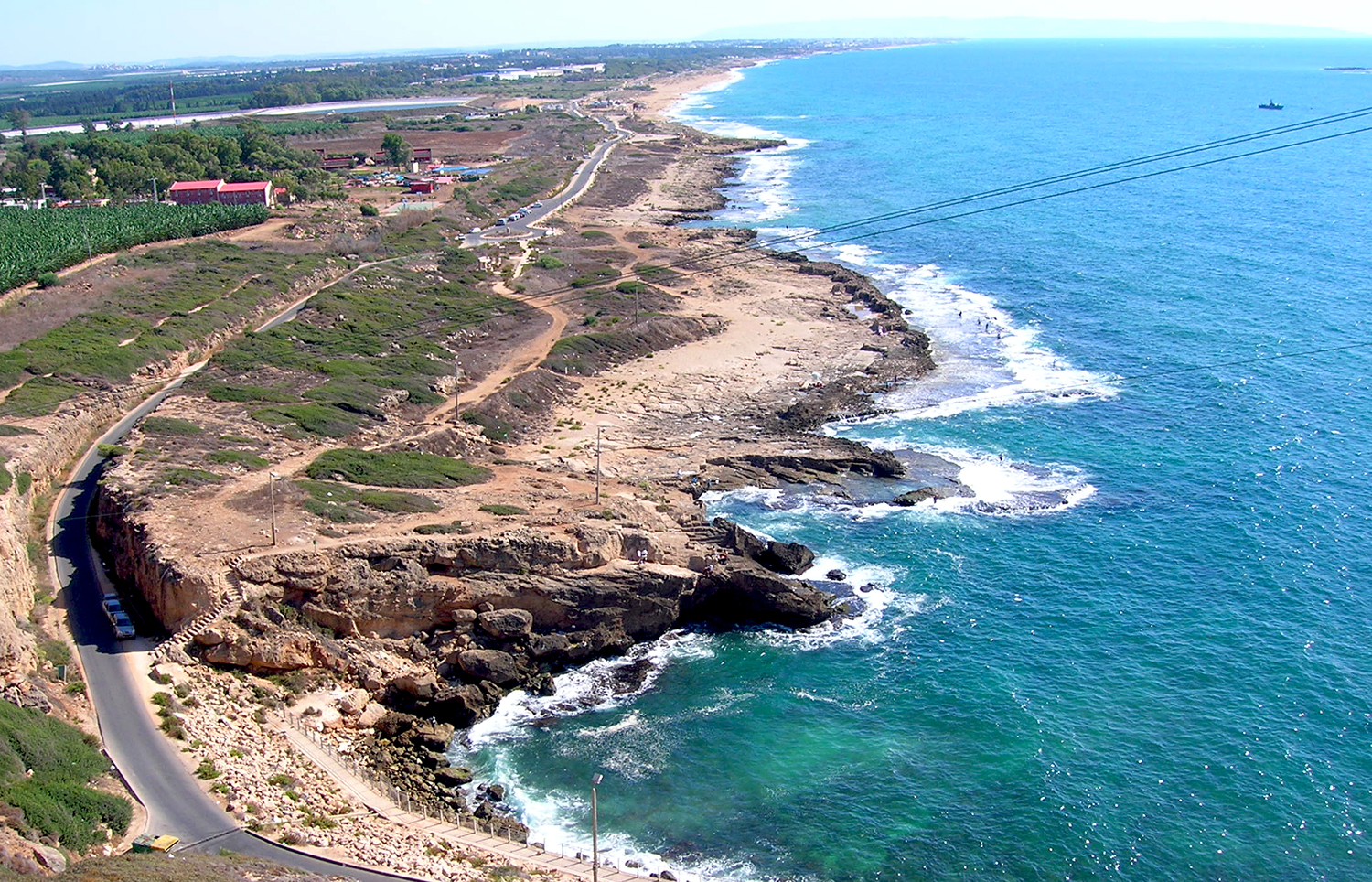
Shore of Caesarea Maritime
View of the shore of Caesarea Maritime from the top of the gondola.
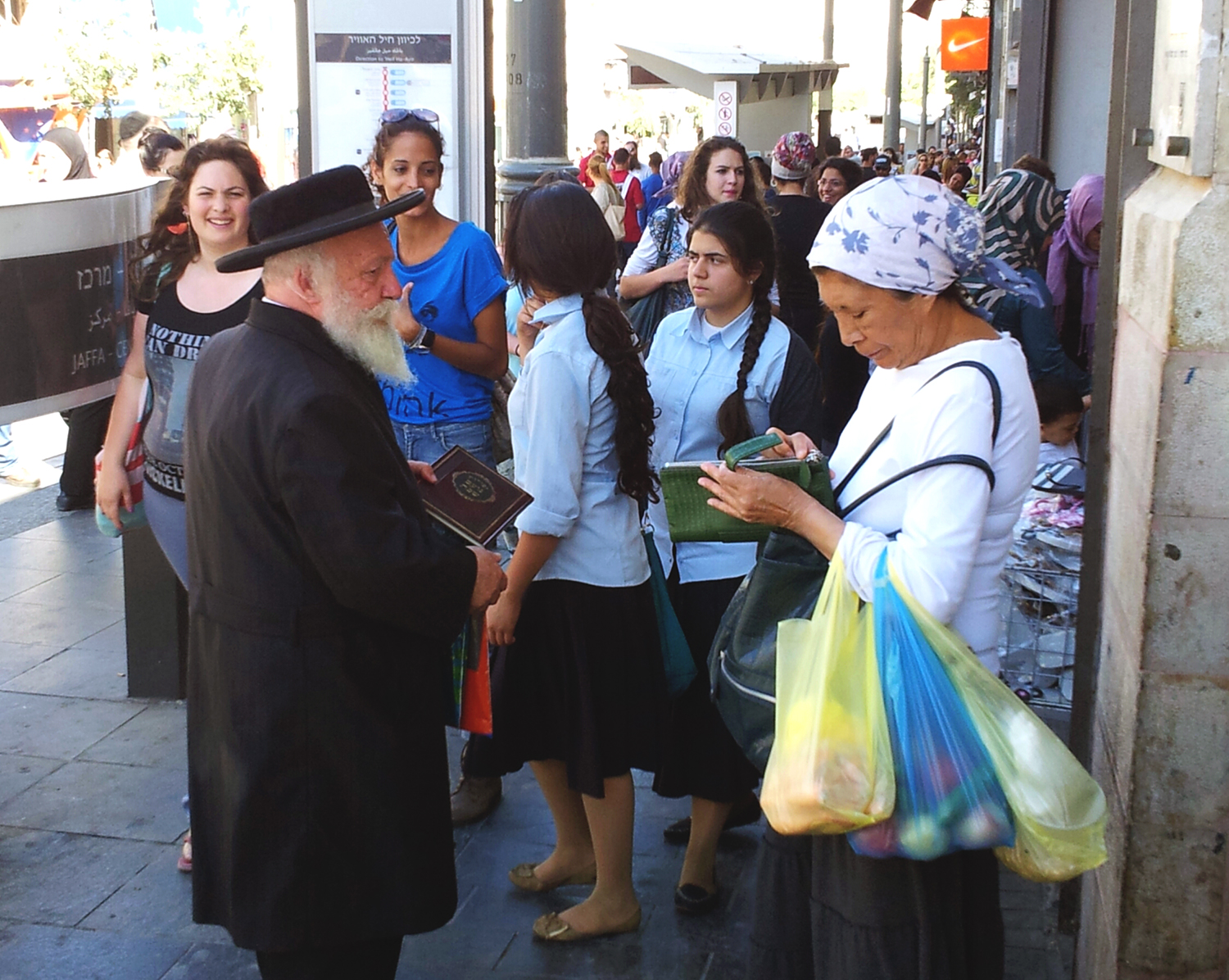
Streets of Haifa
An orthodox jew in the busy streets of Haifa
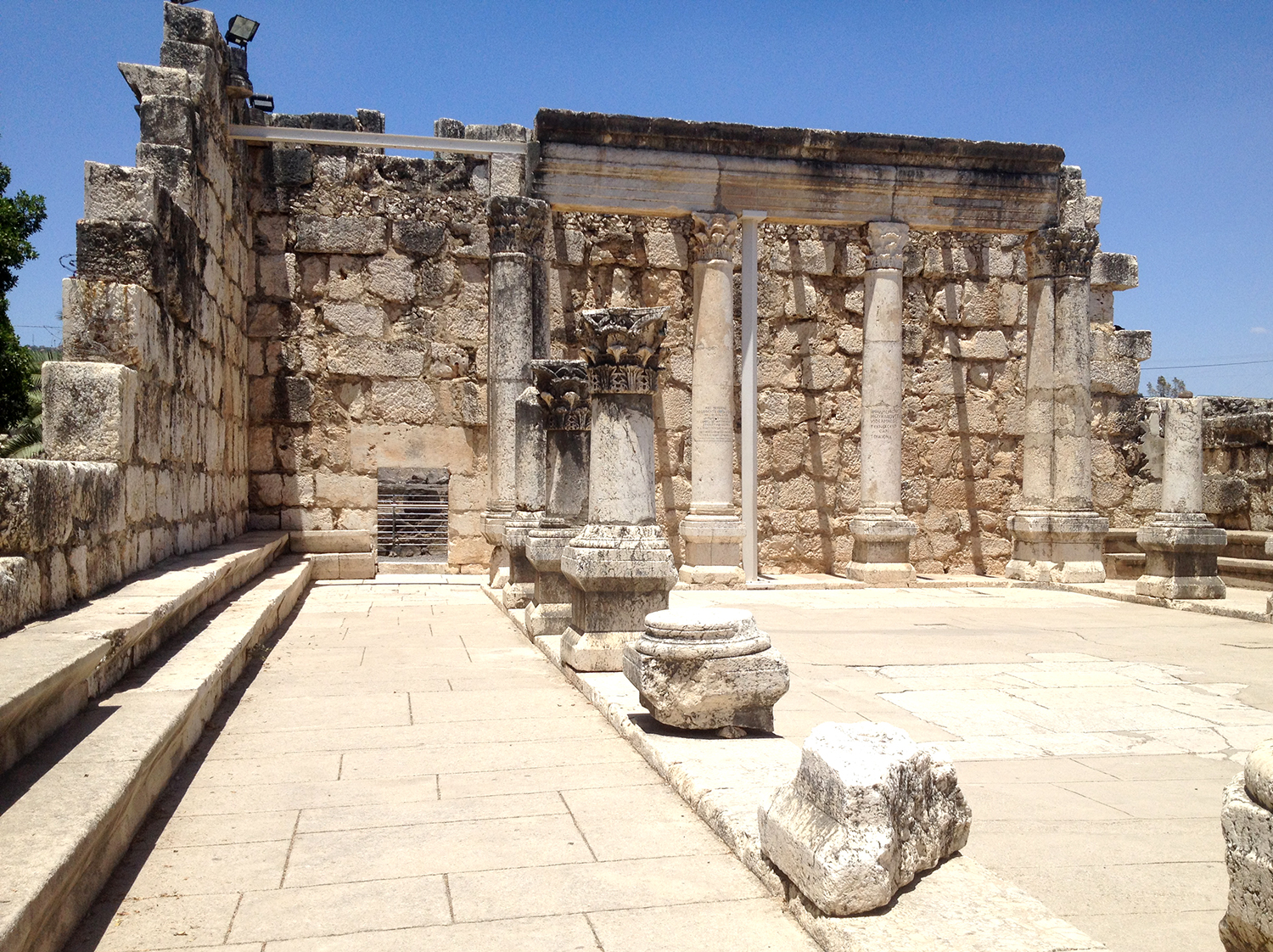
The synagogue in Capernaum
The synagogue in Capernaum. This is where Jesus taught during His time of ministry. It was in this synagogue that Jesus cast demonic spirits out of a possessed man (Mark 1:21-27).
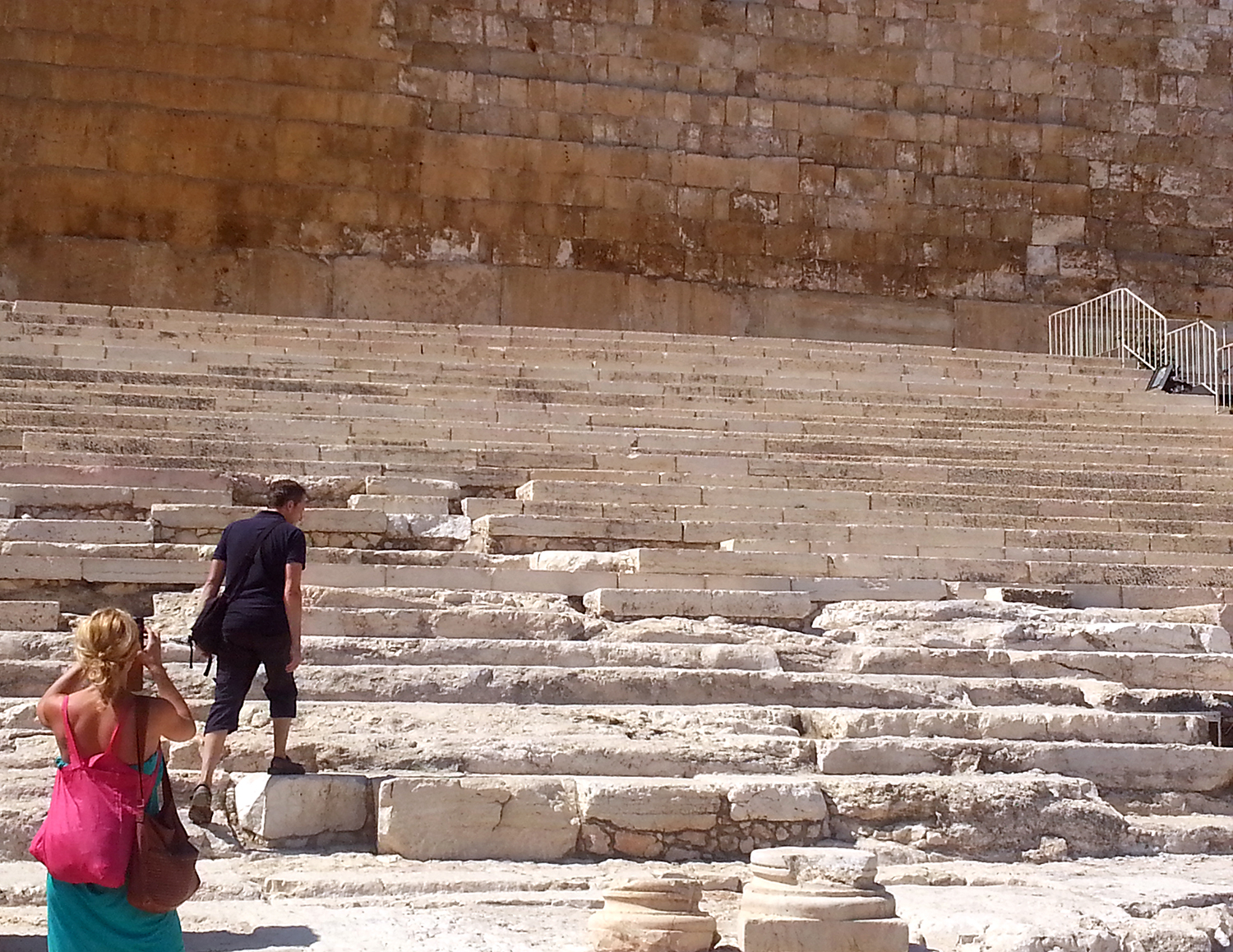
Steps to the Huldah Gates
These are the actual steps dating 2,000 years ago that led to the Huldah Gates into the Temple. Jesus and His disciples undoubtedly walked on these very steps when entering the Temple.
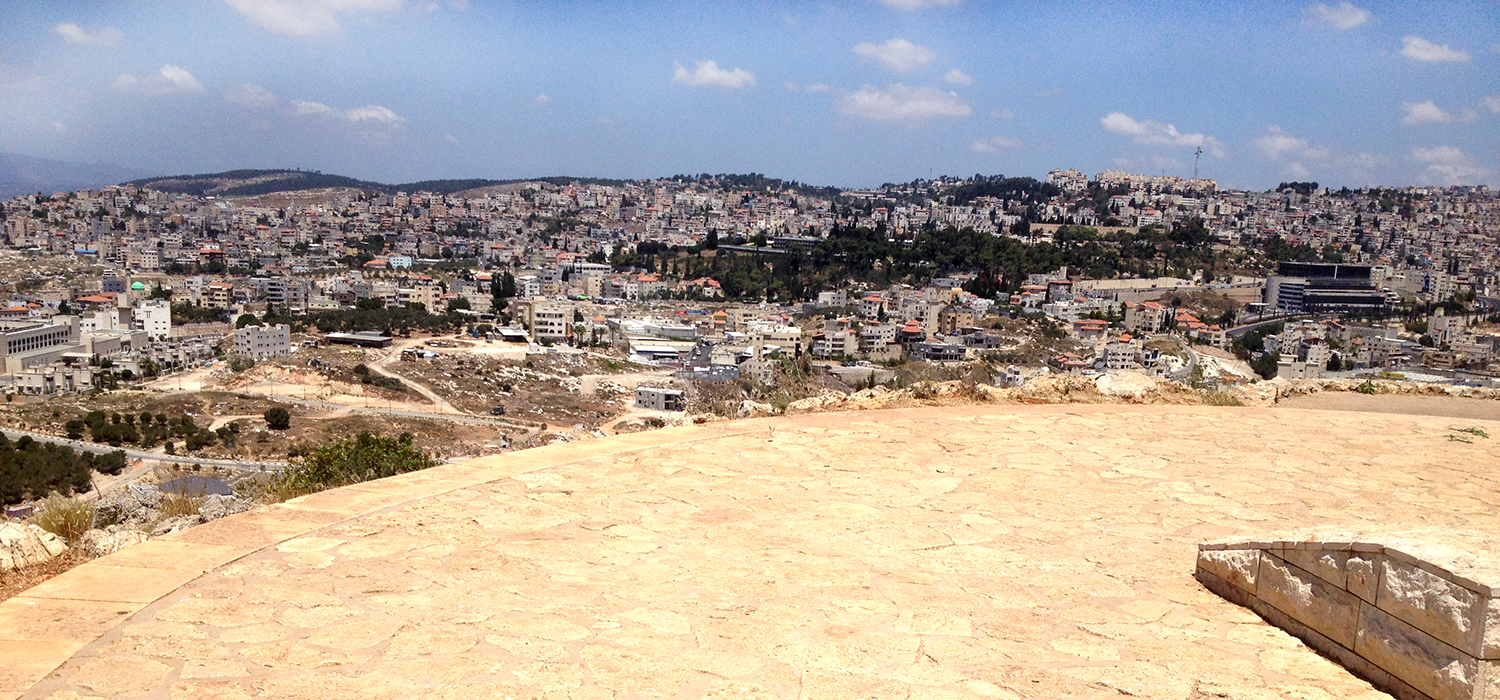
Nazareth from the Mount of Precipice
Nazareth - View from the Mount of Precipice
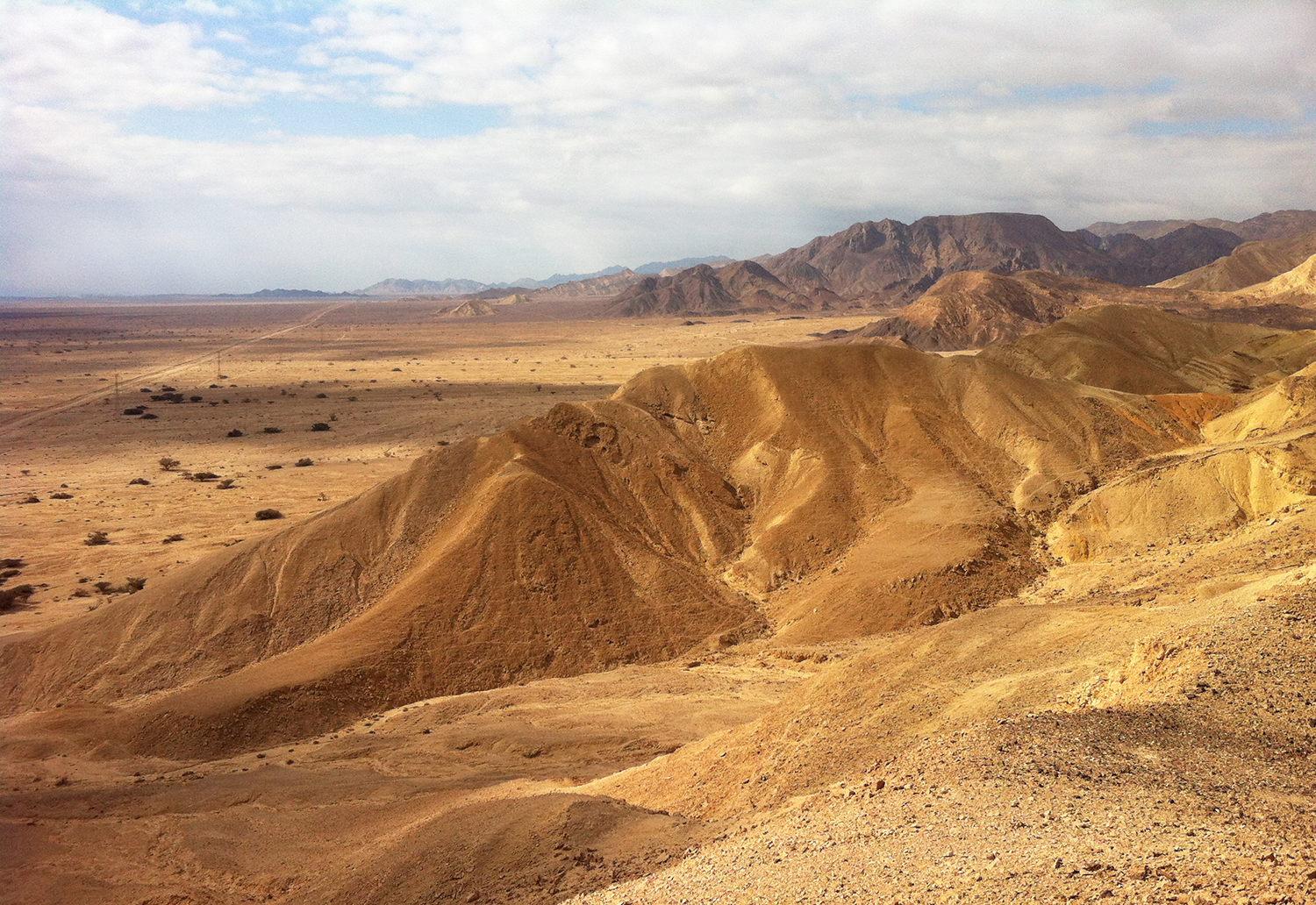
Negev Desert
Mountain range in the Negev Desert located in southern Israel.
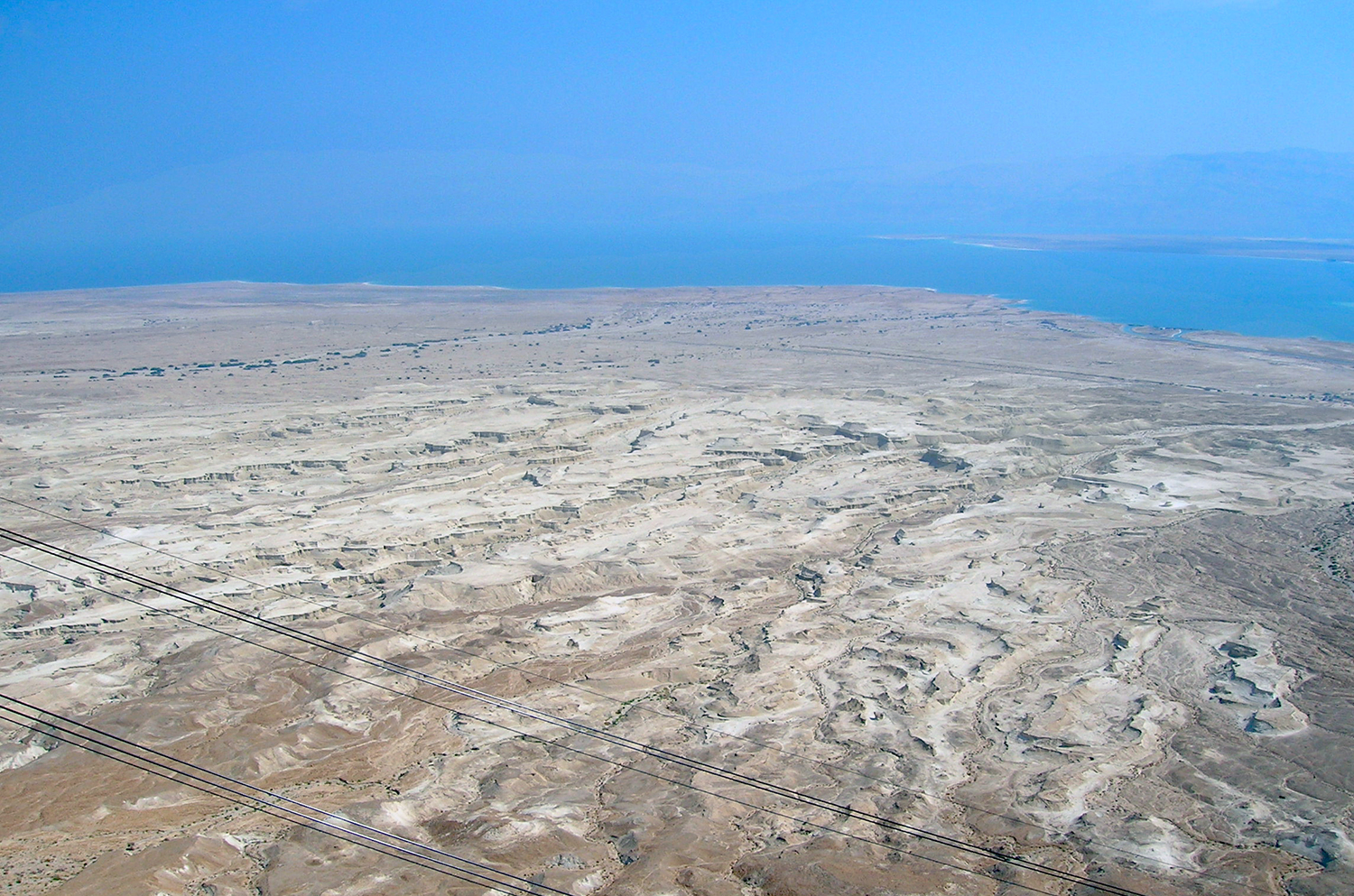
Dead Sea from Masada
View over the desert and the Dead Sea from the top of Masada.
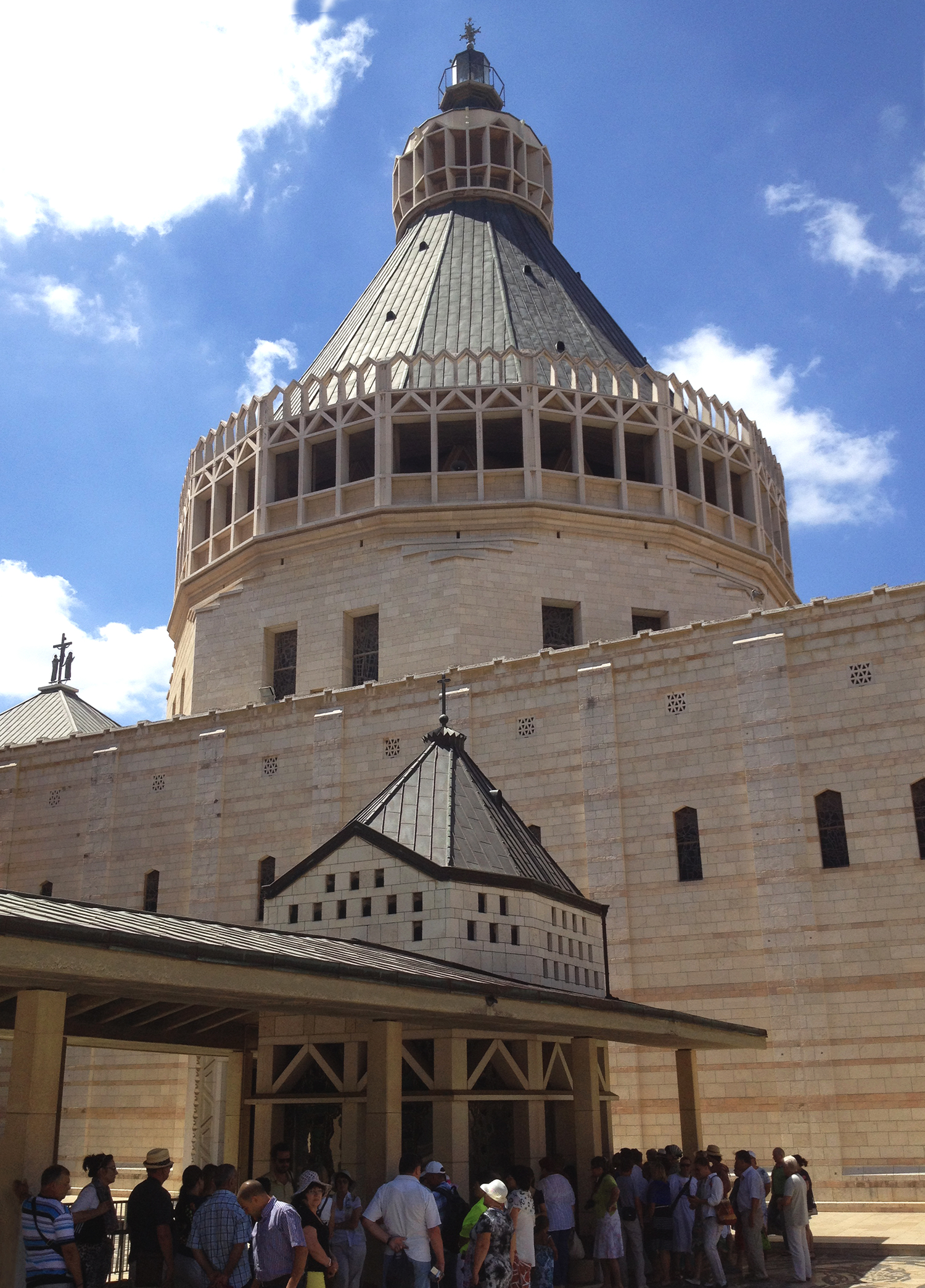
Church of the Annunciation
Church of the Annunciation also referred to as Basilica of the Annunciation in Nazareth. The church was established at the site where, according to Roman Catholic tradition, the angel Gabriel announced to Mary that she would give birth to the Son of God, Jesus (Luke 1:26-33)
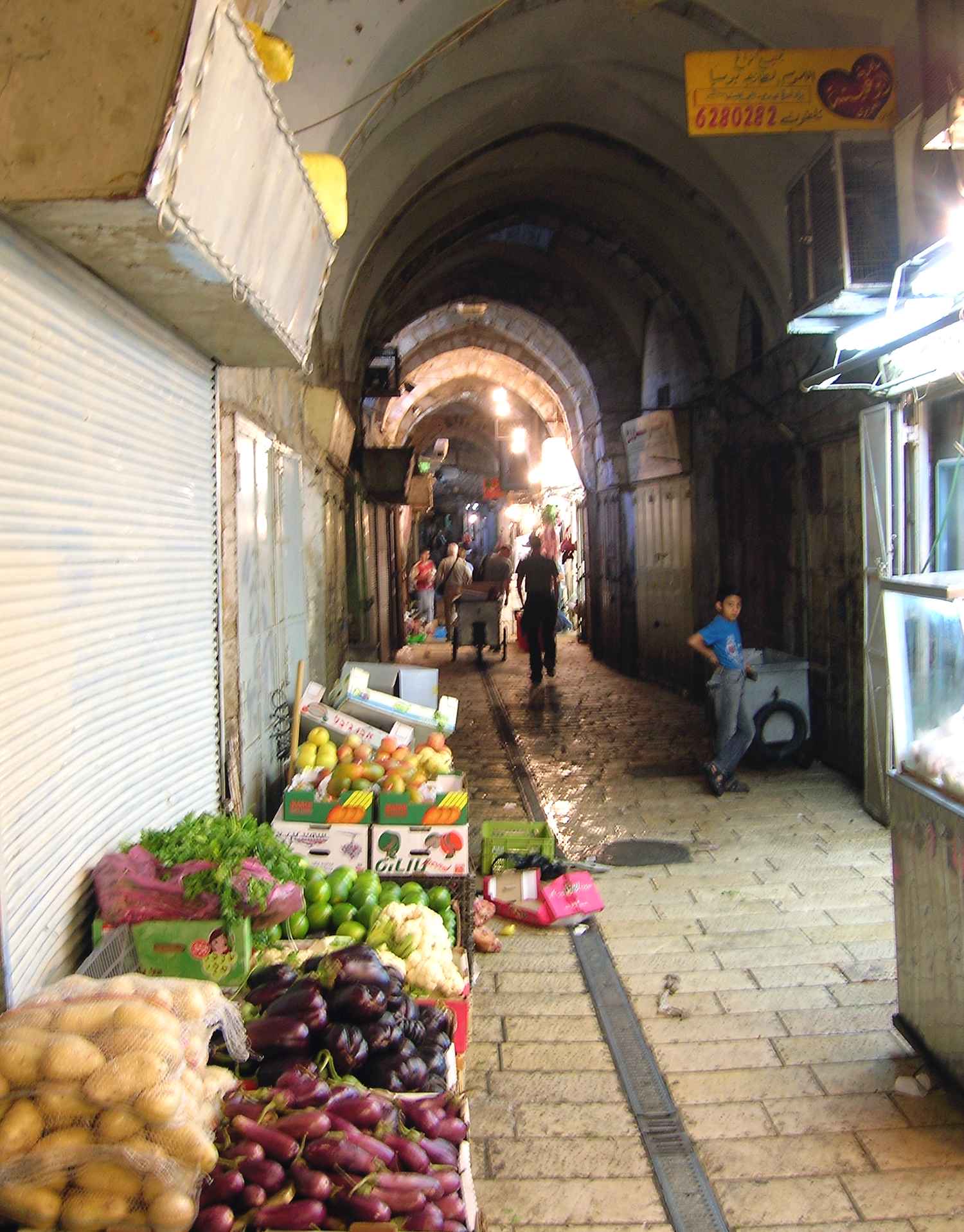
Jerusalem streets
One of many small streets that characterize the Old City in Jerusalem.
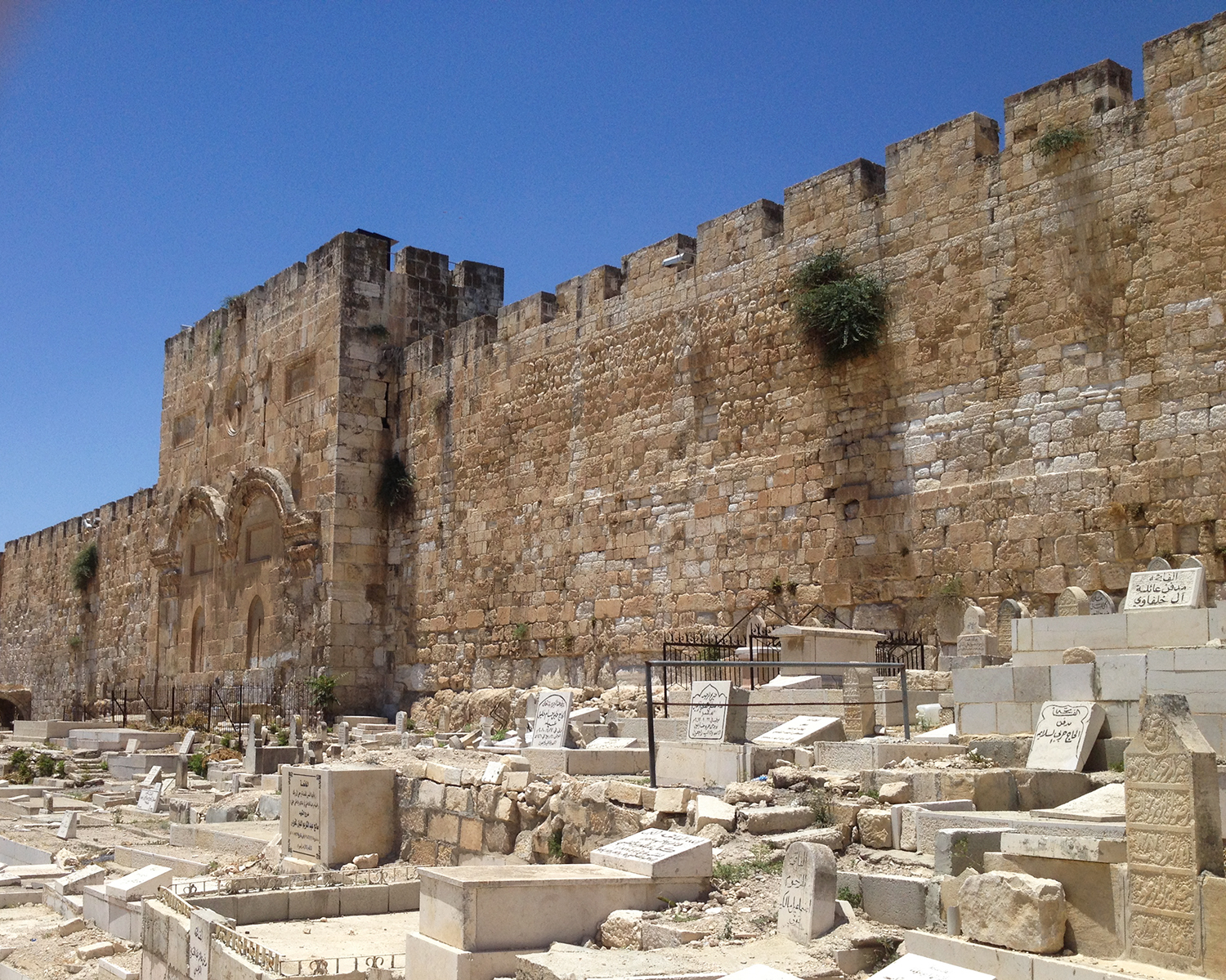
Golden Gate
The Golden Gate on the eastern side of the Temple Mount. This is where it is prophesied Jesus enters through when He returns in glory to take his rightful throne in the Millennial Temple (Ez. 44:1-3). The gate has been sealed since 1542 and the ground in front of it is covered with Muslim graves.
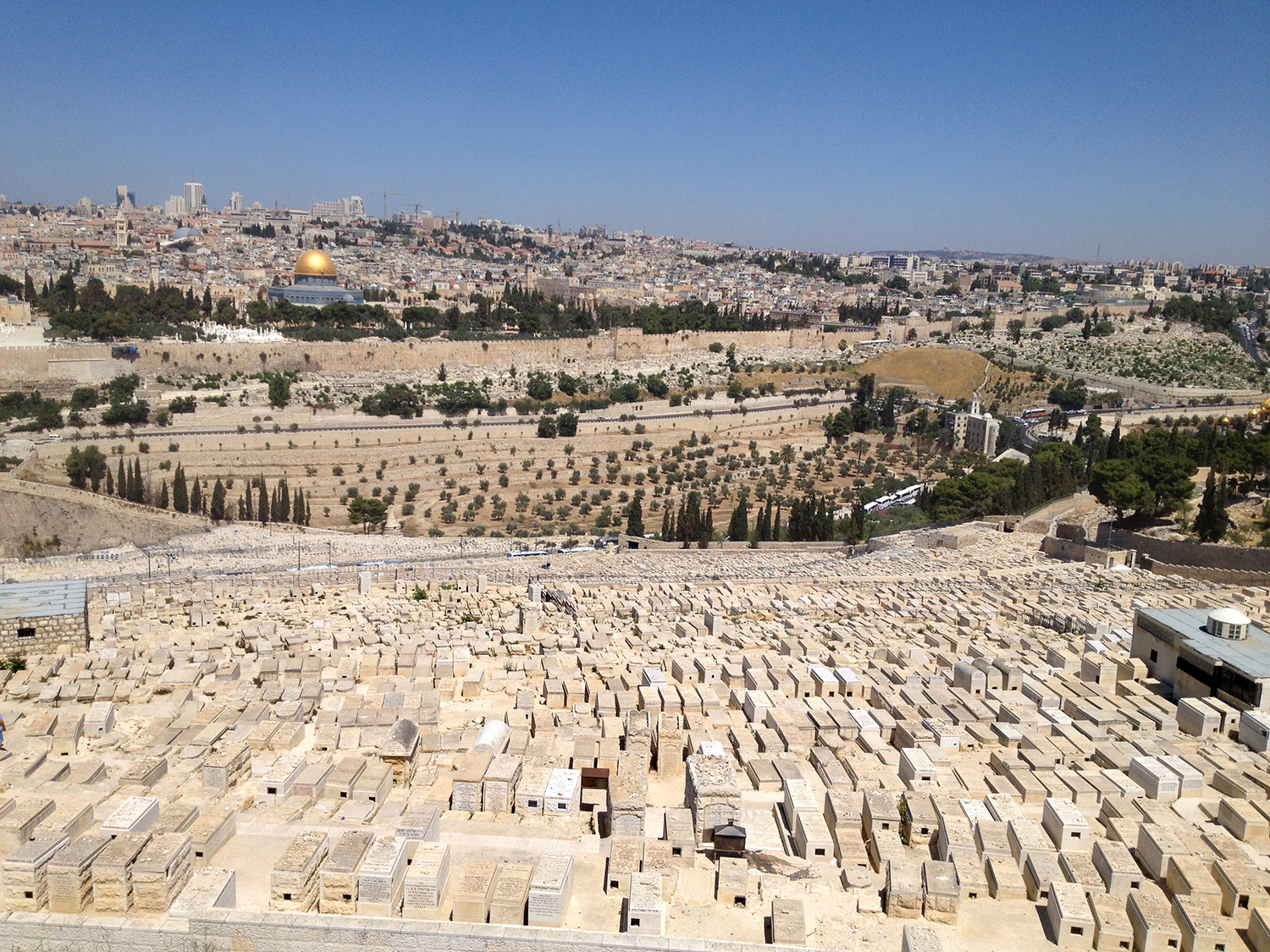
Mount of Olives graves
View of Jerusalem looking west from the top of Mount of Olives. In the foreground countless Jewish graves covering the west side of the mountain. Jews are buried there in belief that they will be the first to rise when the Messiah touches His feet at the Mount of Olives (Zech. 14:3-4).
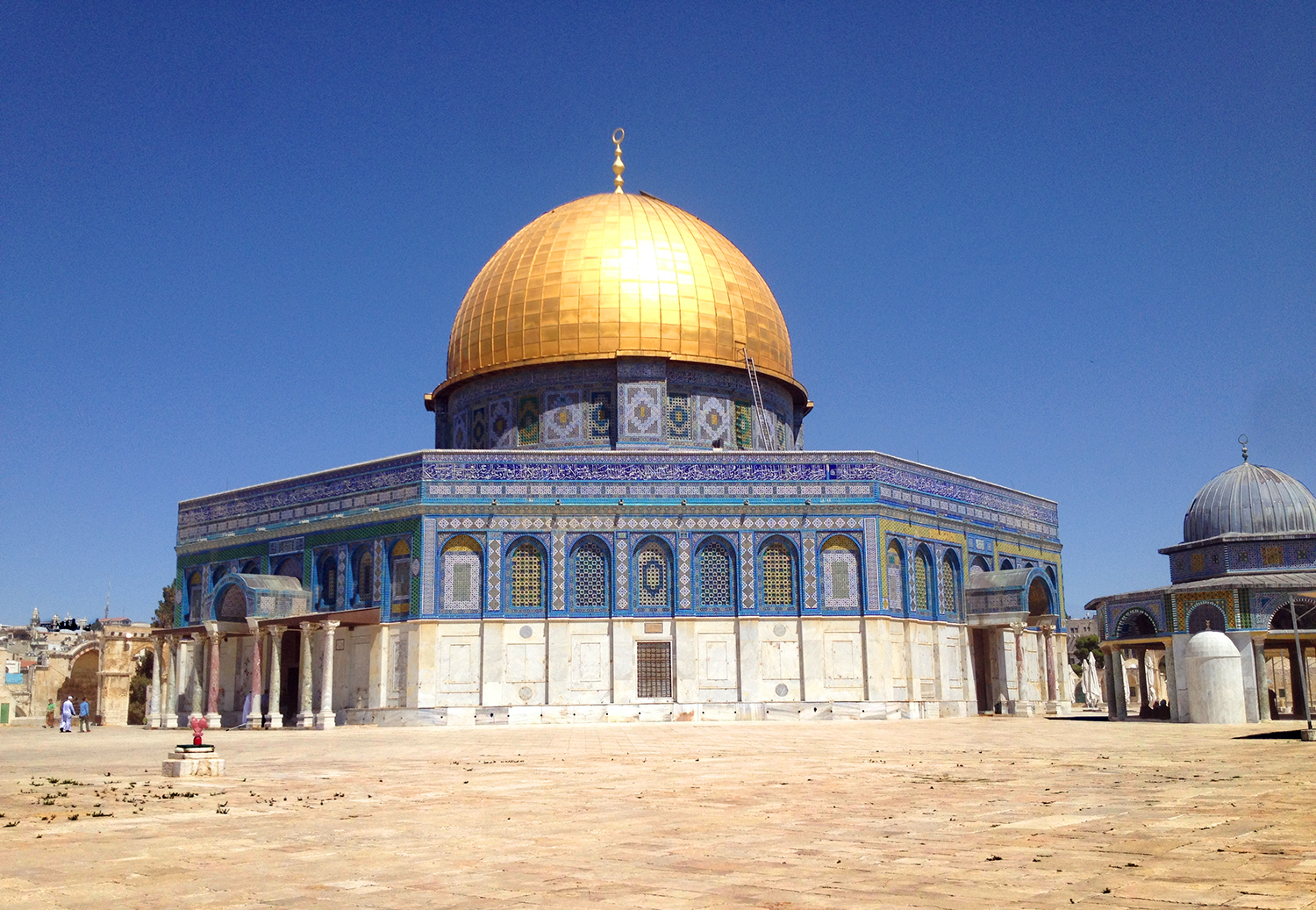
Dome of the Rock
The Dome of the Rock is a Muslim Mosque constructed in the 7th century. It's built on the Temple Mount where Solomon's and Herod's Temple formerly stood. Legend has it that the large stone inside the mosque is where Abraham allegedly offered up Ismael, not Issac on Mount Moriah according to Islamic teaching.
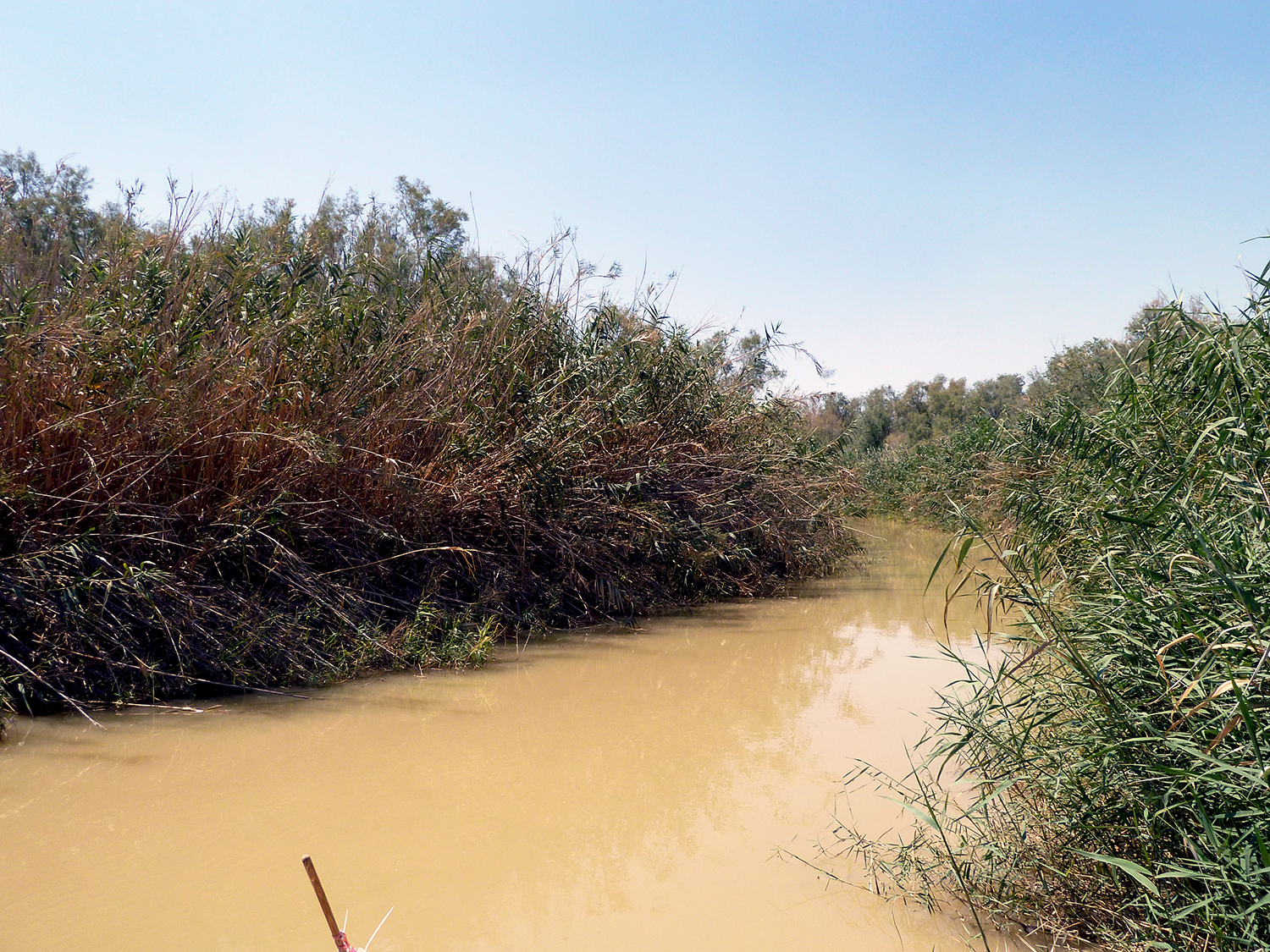
The Jordan River
The Jordan River. The main river that cuts across the land of Israel from the Golan Heights to the Dead Sea. Its length is about 110 miles. Mentioned several times in Holy ure, the Jordan river played a significant role in biblical history. In the Old Testament God divided the waters of the Jordan to allow Joshua and the armies of Israel to crossover and complete the conquest of the Promised Land (Joshua 3:1-4:18). The Syrian General Naaman was miraculously healed of leprosy when he immersed himself seven times the the Jordan River as instructed by the prophet Elisha (2Kings 5:9-15).
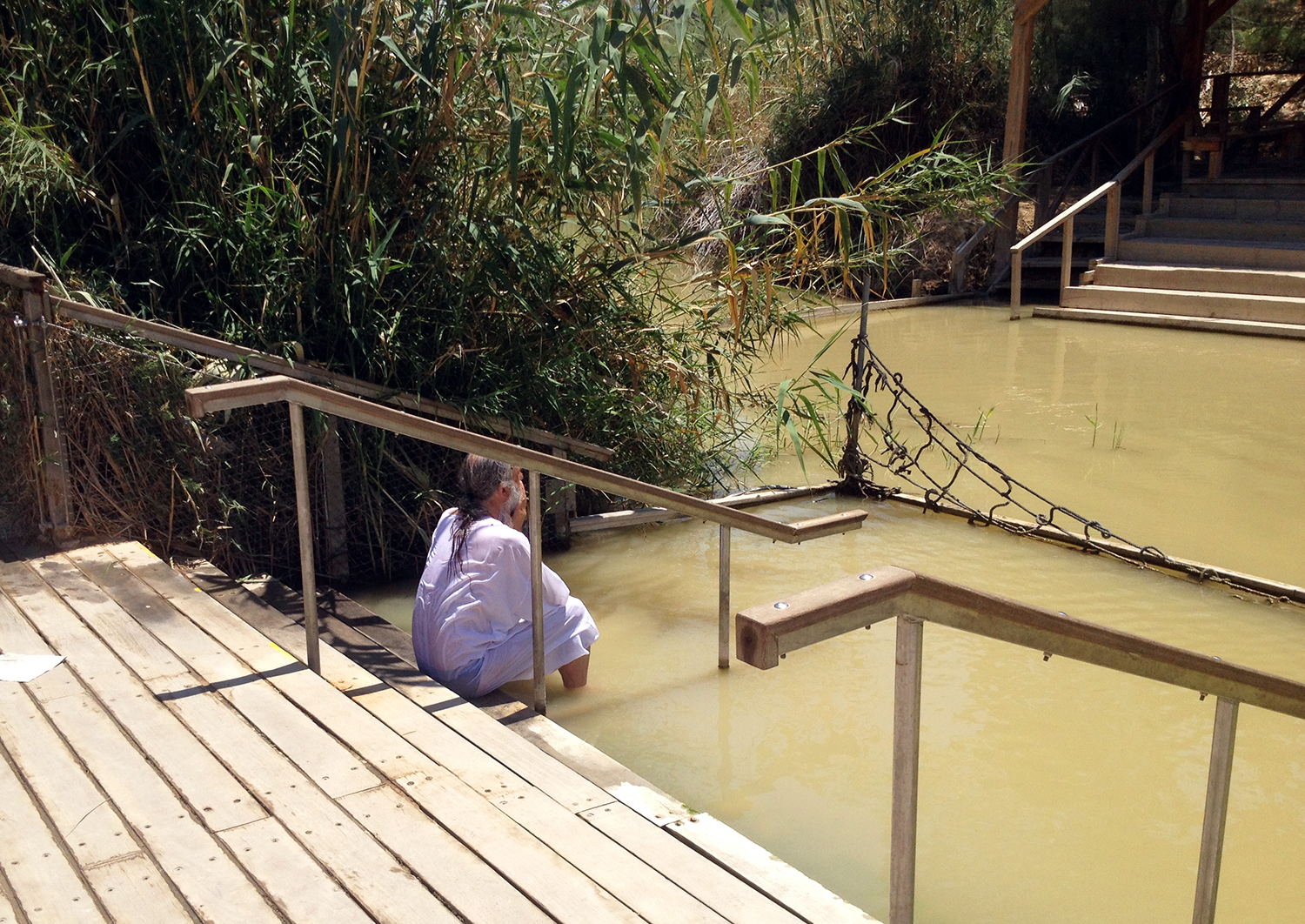
Jordan baptism
The Jordan River plays a significant role in the New Testament. John the Baptist baptized those who repented of their sins in the Jordan River (Matthew 3:5-6; Mark 1:5; John 1:28). Jesus was baptized in the Jordan River by the John the Baptist (Matthew 3:13-17). The man in the picture and many other Christians follow Jesus example by being baptized in the Jordan. Today the Jordan River is a very small stream --for much of it larger width in ancient times has been greatly narrowed in Modern-day Israel because much of the water that fed into the Jordan is now siphoned off for irrigation.
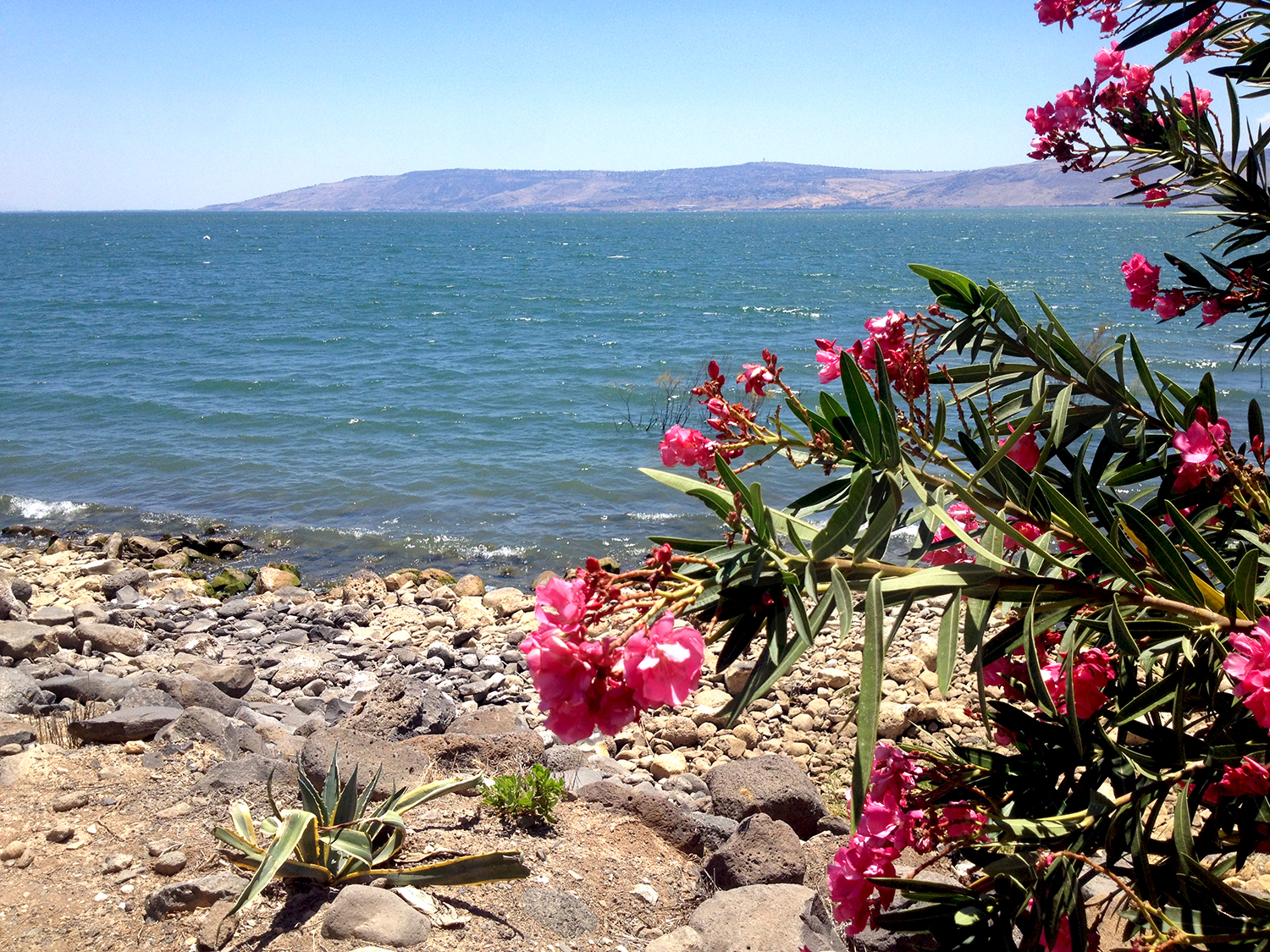
The Sea of Galilee
In the New Testament the lake is called the Lake of Gennesaret (Luke 5:1), the Sea of Galilee (Matthew 4:18; Mark 1:16; John 6:1), and the Sea of Tiberias (John 21:1). Jesus performed 18 of His 33 miracles recorded in the Gospels in and around the Lake of Galilee. It was here Jesus walked on water (Mark 6:45-52; John 6:16-21) and stilled the storm on the lake (Matthew 8:23-27; Mark 4:35-41; Luke 8:22-25). The risen Jesus met His disciples on the shore of the Galilee (John 21). The Kinnereth has always been a major source of the fish industry in Israel; it is no different there today.
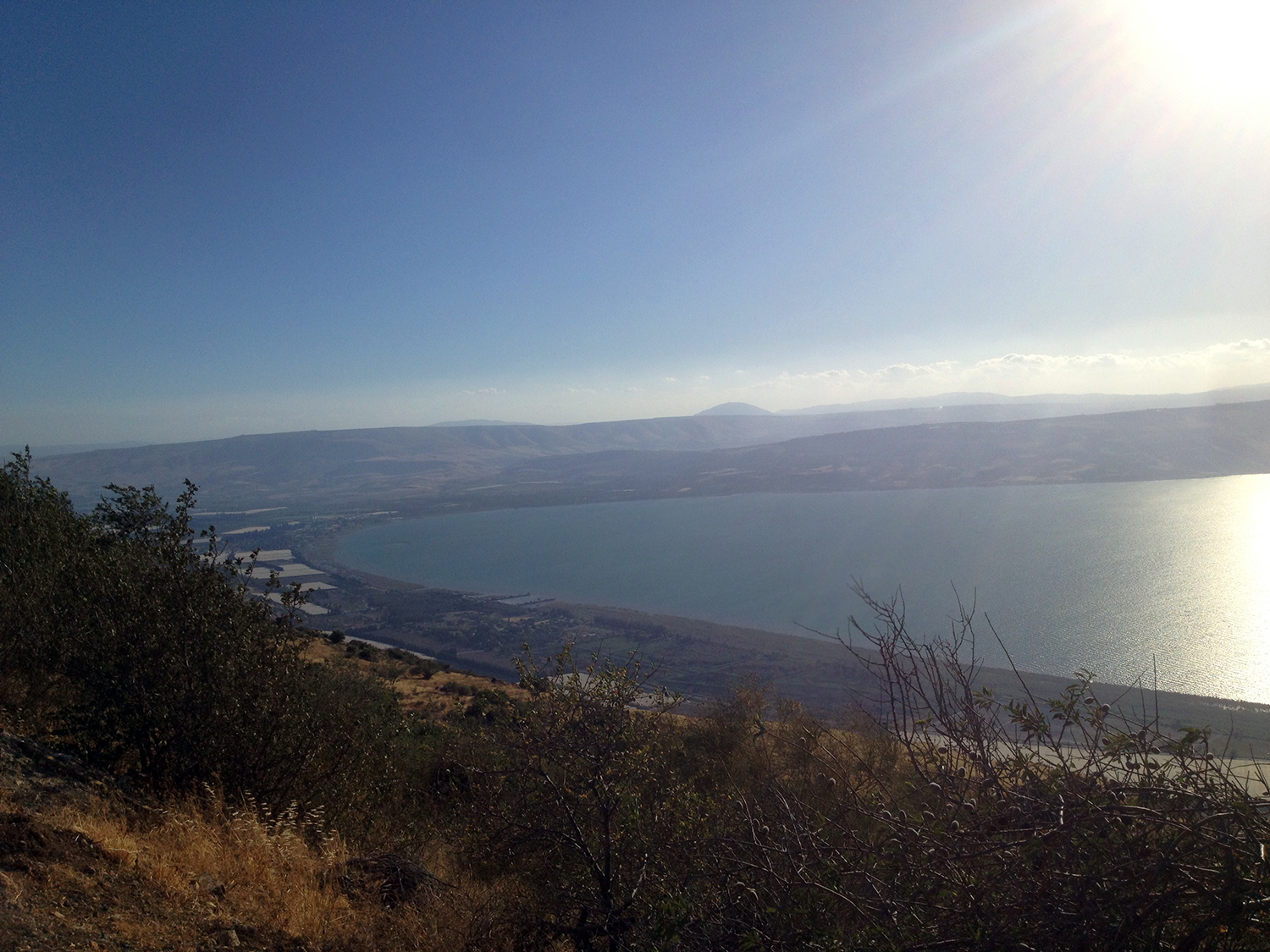
The Sea of Galilee
The Sea of Galilee. 13 miles long and 71/2 miles wide. In ure and in modern day Israel it is called Kinnereth - the Hebrew Word for Harp, because the lake from an aerial view has the shape of a musical harp (Num. 34:11; Deut. 3:17; Josh 13:27; 19:35).
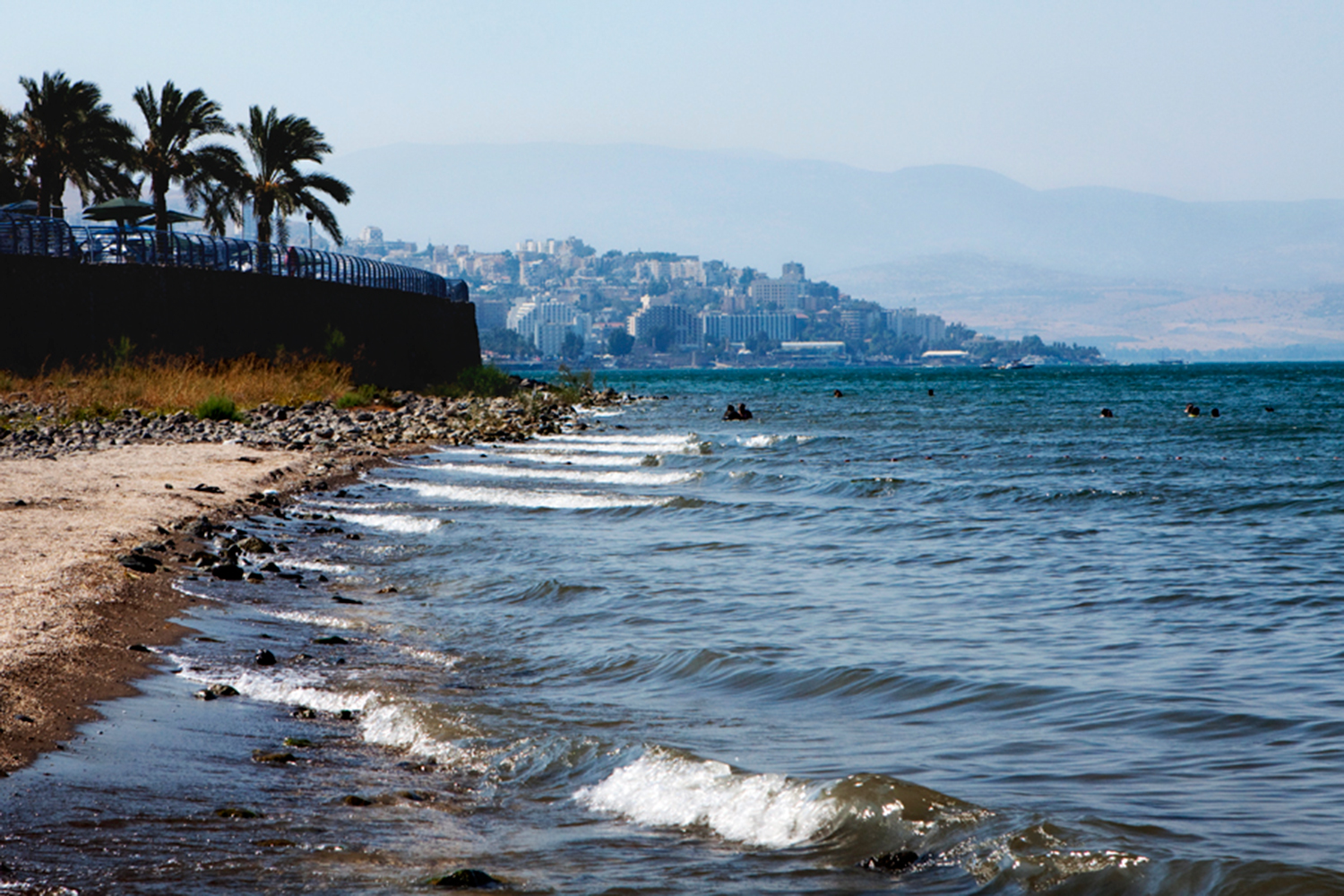
Tiberias is a city located on the western shore of the Sea of Galilee. It was built by Herod Antipas in 17-20 A.D. and was named after the Roman Emperor Tiberias (14-37 A.D.). Lake Galilee is also called "the Sea of Tiberias." While the Gospels do not say Jesus ministered in Tiberias, He did minister on the Sea of Tiberias. Inhabitants from the area got into their boats to see His miracles (John 6:1; 12:1). Today Tiberias is a thriving Jewish city and is considered one of the four major centers of Orthodox Judaism in Israel today.
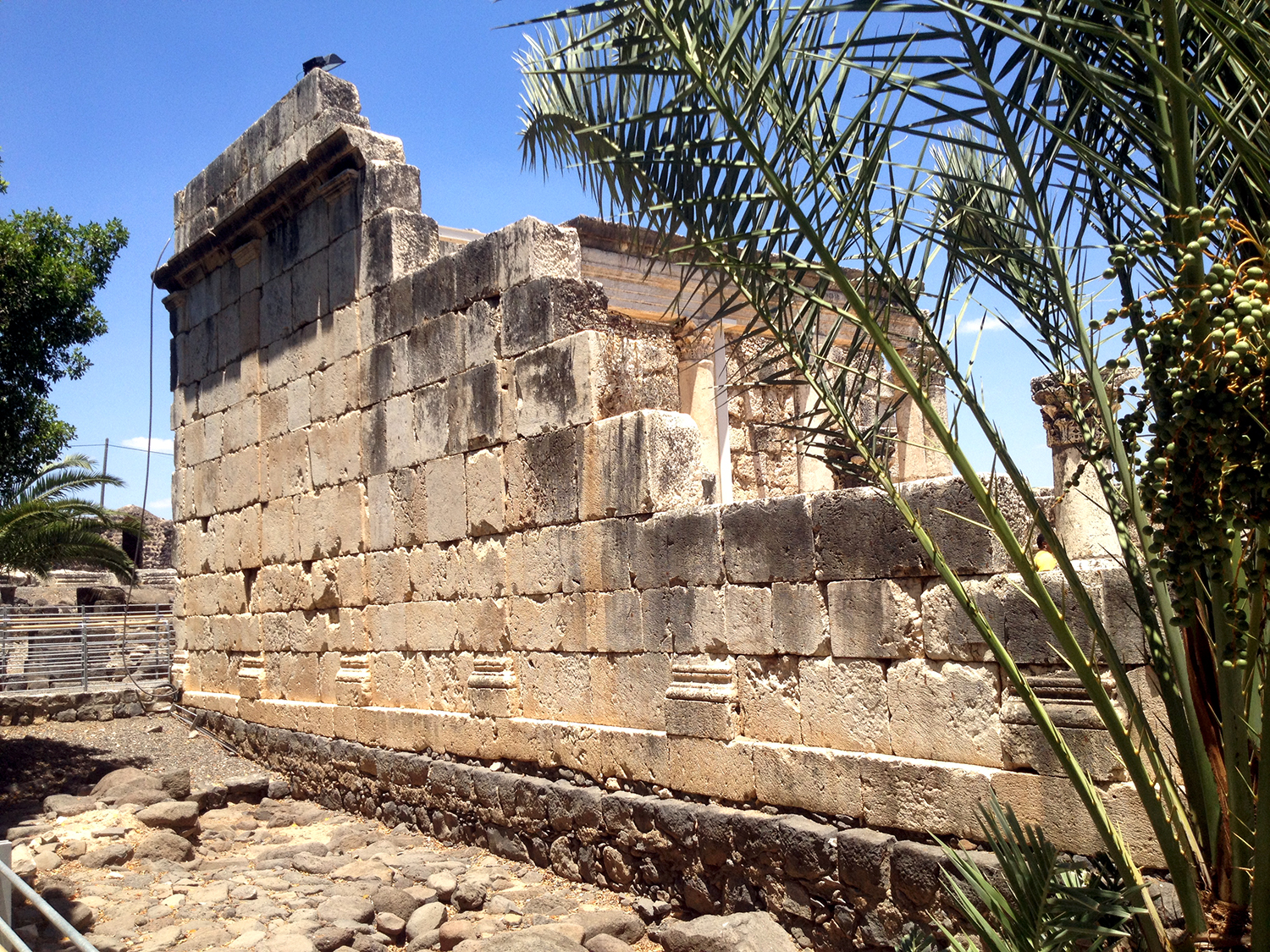
Synagogue in Capernaum
Although the ancient synagogue in Capernaum is in ruins, the part we see comes from the fourth century AD, they appear to have been built on the black basalt ruins of the first century synagogue.
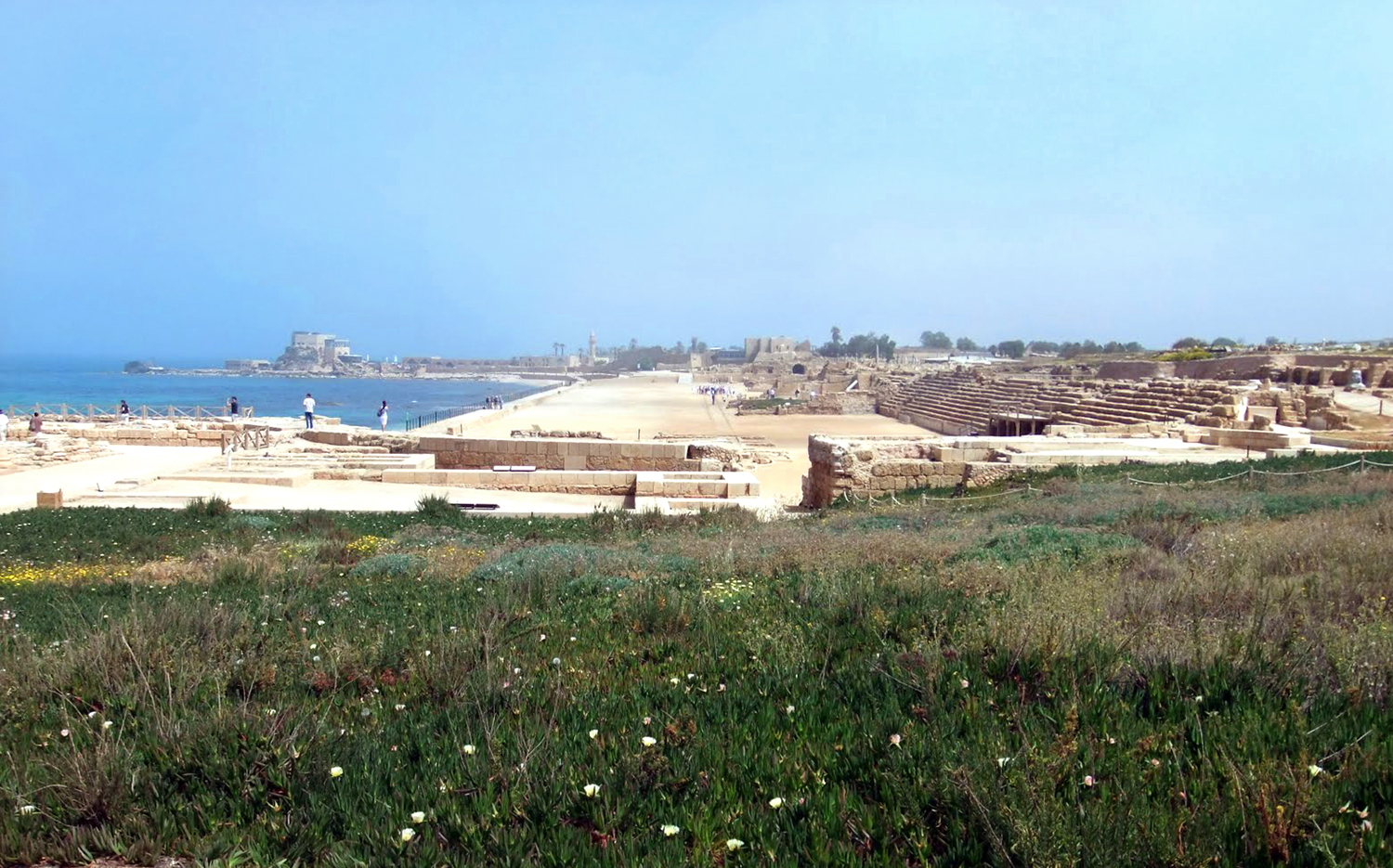
Caesarea Maritima
Caesarea Maritima ("by the Sea") is located on the shore in the center of Israel, between Haifa and Tel-Aviv. Caesarea Philippi is a completely separate location found inland, north of Galilee, in northern Israel. Founded and built by Herod the Great in 22 B.C. The city was first named after the Roman Emperor Augustus Caesar. The population of Caesarea was half gentile and half Jewish, often causing disputes among the people. Caesarea was the Roman capital of the province of Judea at the time of Jesus, and a Crusader fortress along the road from Acre to Jerusalem. Today, Caesarea is a large and interesting national park.
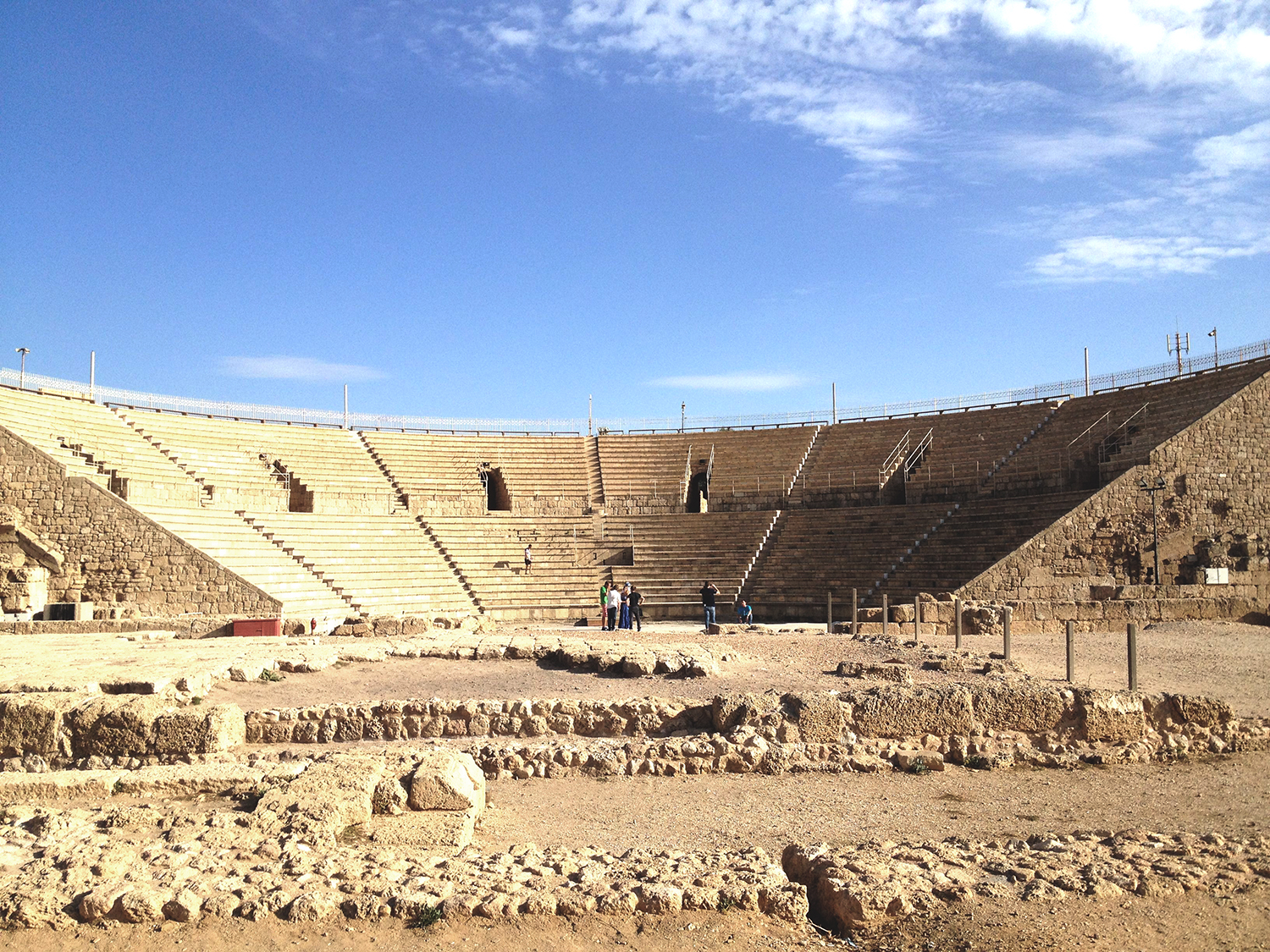
Amphitheater
With a magnificent amphitheater that remains standing today, a deep sea harbor (called Sebastos, i.e., Augustus in Greek), aqueduct and hippodrome, Caesarea Maritima is one of Israel’s most visited tourist attractions today. In1961 archaeologists unearthed a stone inion from the amphitheater listing the name of the Roman Procurator Pontius Pilate and "Tiberium" (the name of the Roman Emperor Tiberius). The inion was Pilate's dedication of the amphitheater to Tiberius.
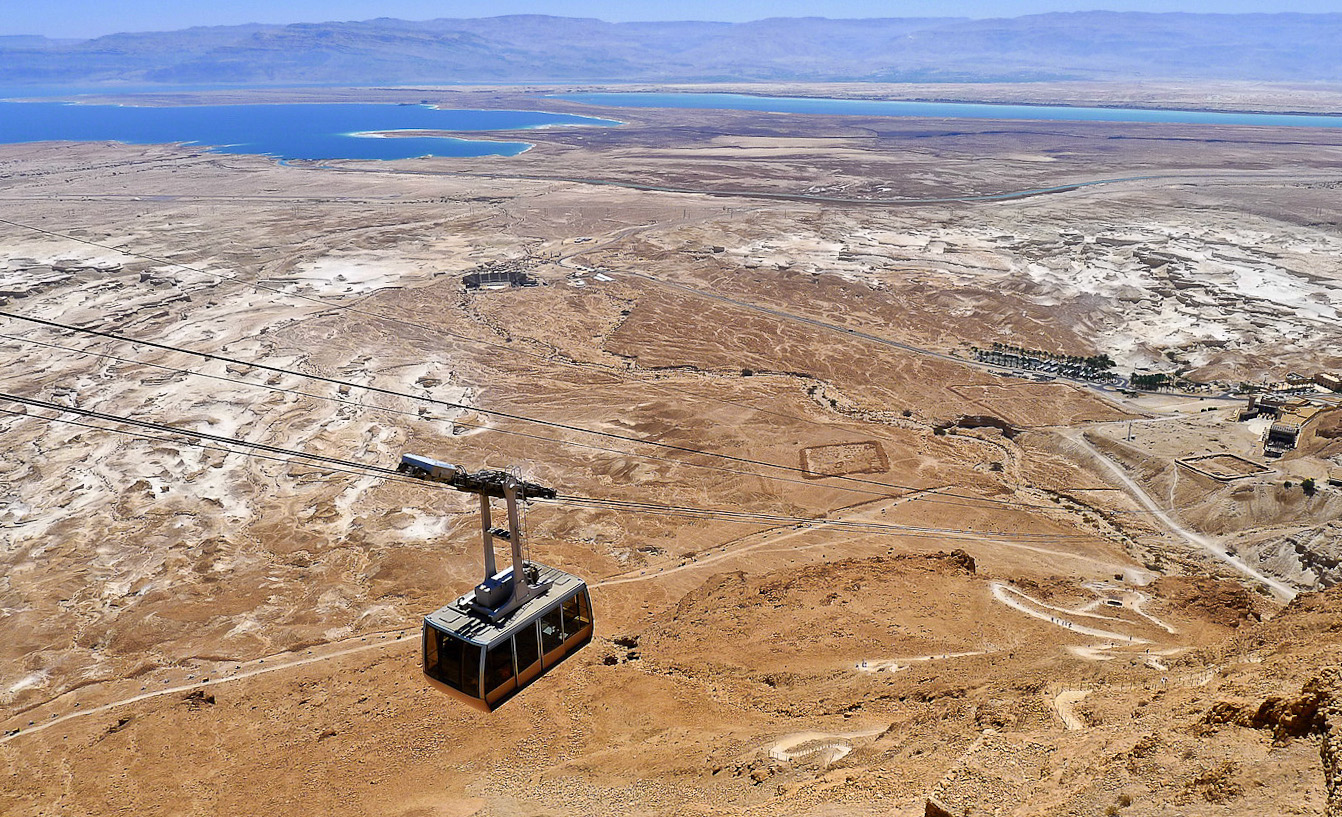
Masada
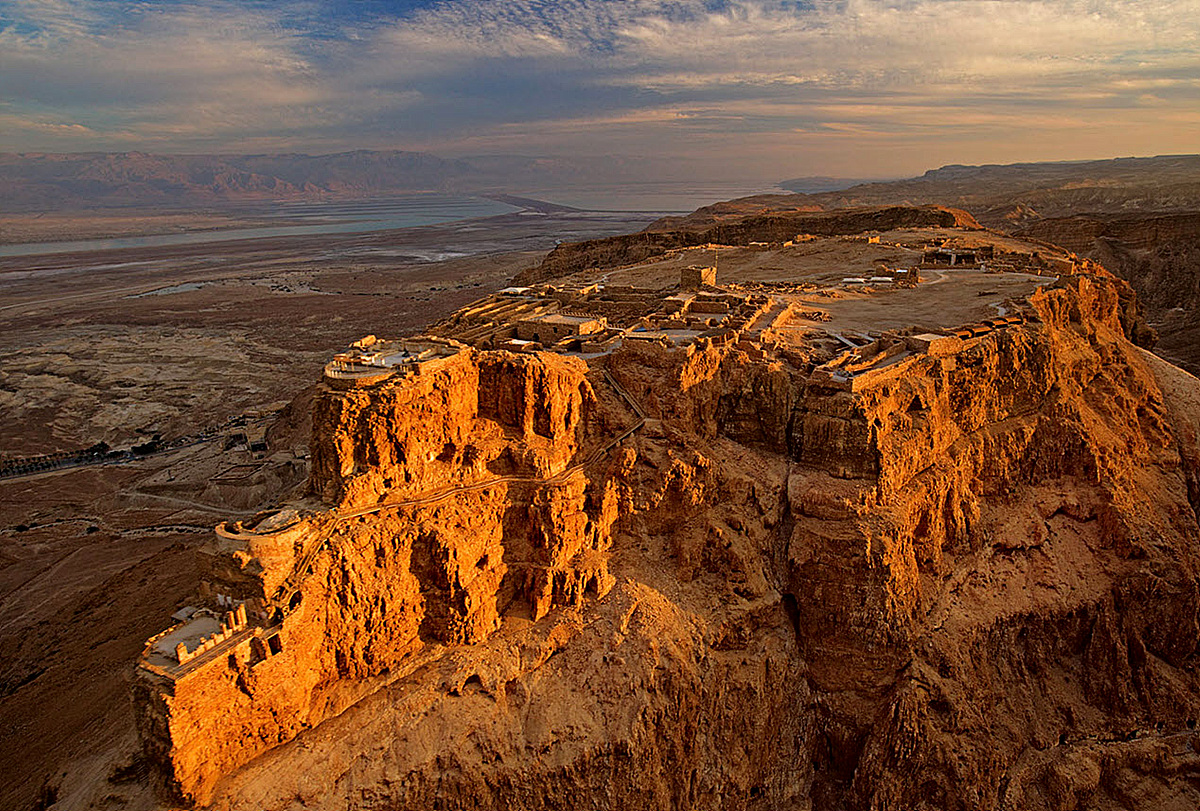
Masada
Masada was the last hold out for the Jewish rebels against the Roman invasion of 70 A.D. The fortress palace was originally built by Herod the Great.
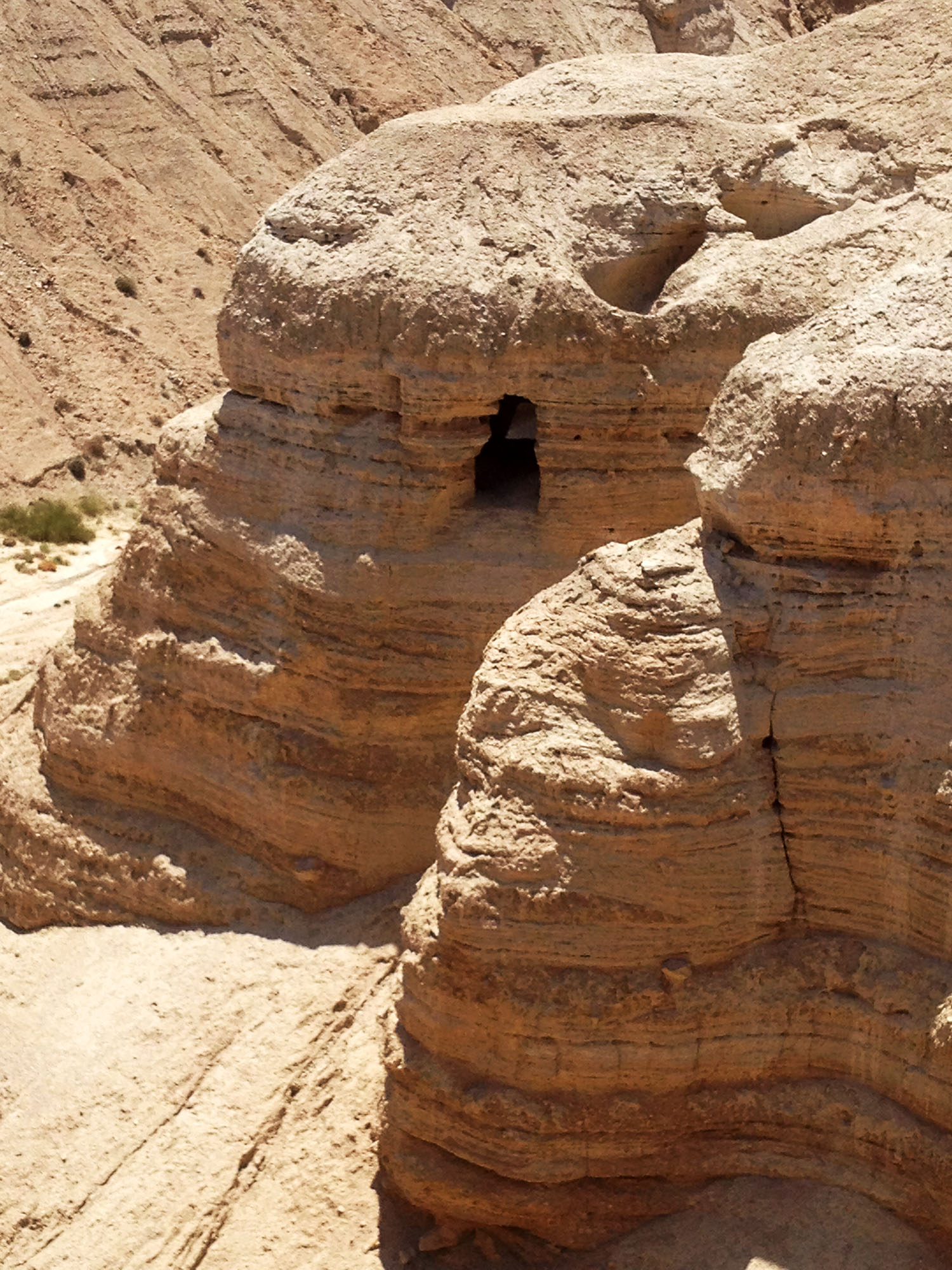
Qumran
Qumran. Famous cave and location in the Judean desert near the northwestern shore of the Dead Sea where the great Dead Sea Scrolls where discovered by a Bedouin shepherd boy in 1947. Qumran is also the site where the ancient Jewish religious sect of the Essenes lived in monastic seclusion from the second century B.C. to the first century A.D. They wrote and copied much of the Old Testament in the Dead Sea Scrolls.
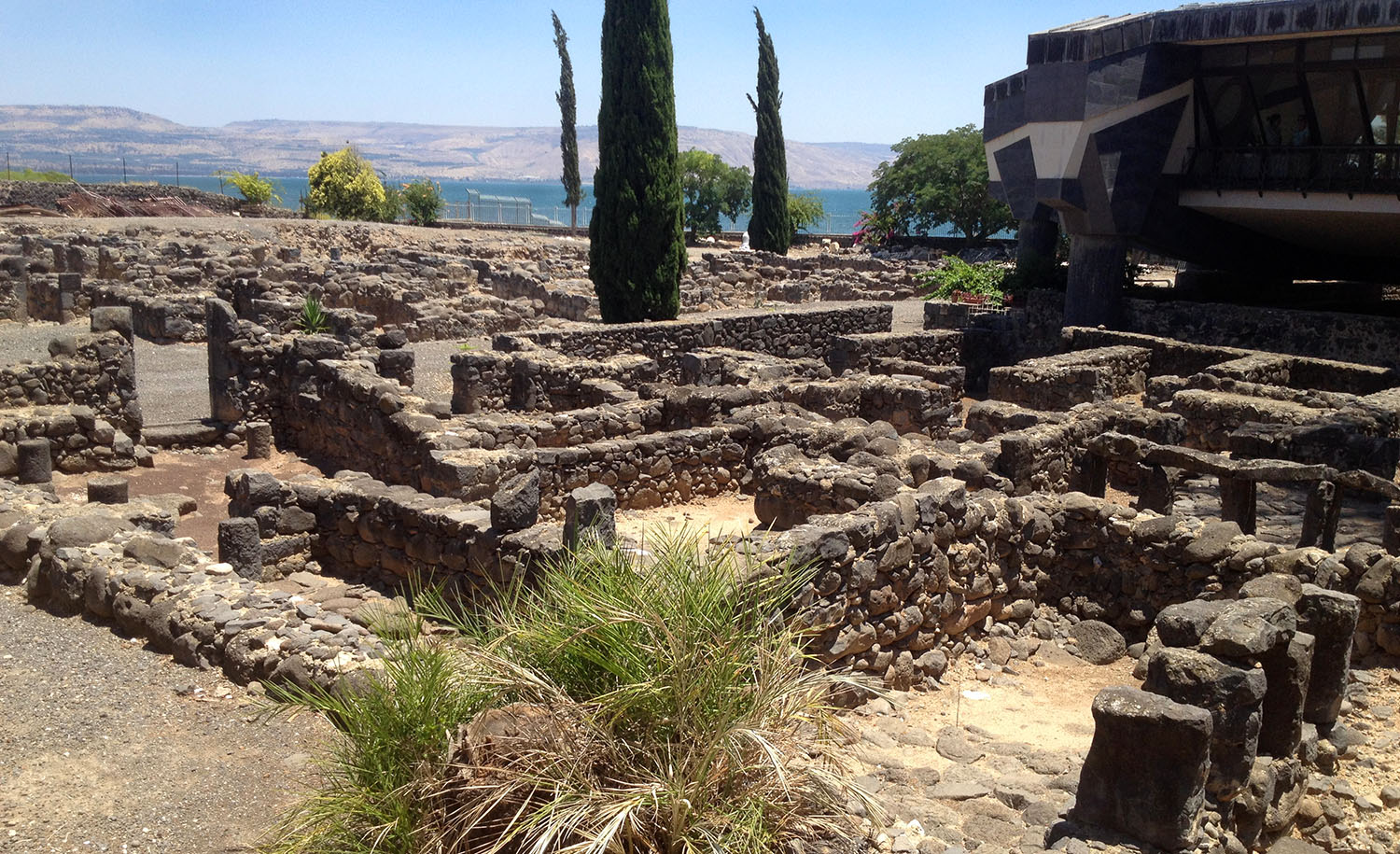
Capernaum
Capernaum. Ruins of old houses from the times of Jesus. Capernaum was one of the three cities in northern Galilee Jesus cursed for their rank unbelief at His greatest miracles done within their city limits (Matthew 11:23). In fulfillment of this prophecy of judgment, Capernaum has stood in ruins since the sixth century A.D. and has never been rebuilt to this day!
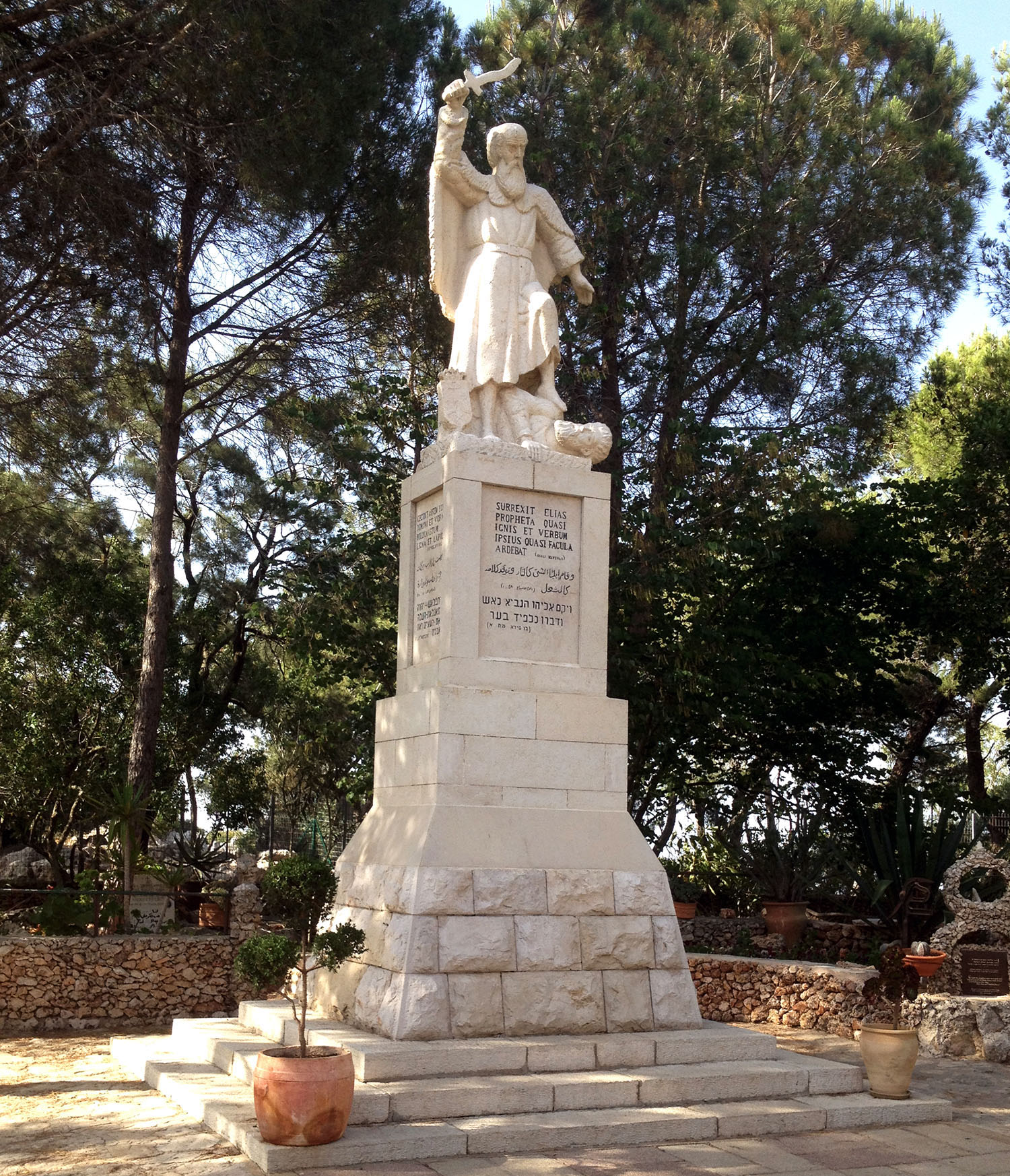
Mount Carmel
Mount Carmel. A rich thirteen mile mountain range whose peak looks over the Jezreel Valley. It was here Elijah had his classic battle with Jezebel's false prophets of Baal (1Kings 18:19-39). After the God of Israel vindicated Elijah, the prophet slew the prophets of Baal at the foot of Mount Carmel at the Brook Kishon (1Kings 18:40). Today at the summit of Mount Carmel, there is a statue of Elijah with knife in hand to signify his slaying the false prophets of the evil Queen Jezebel!
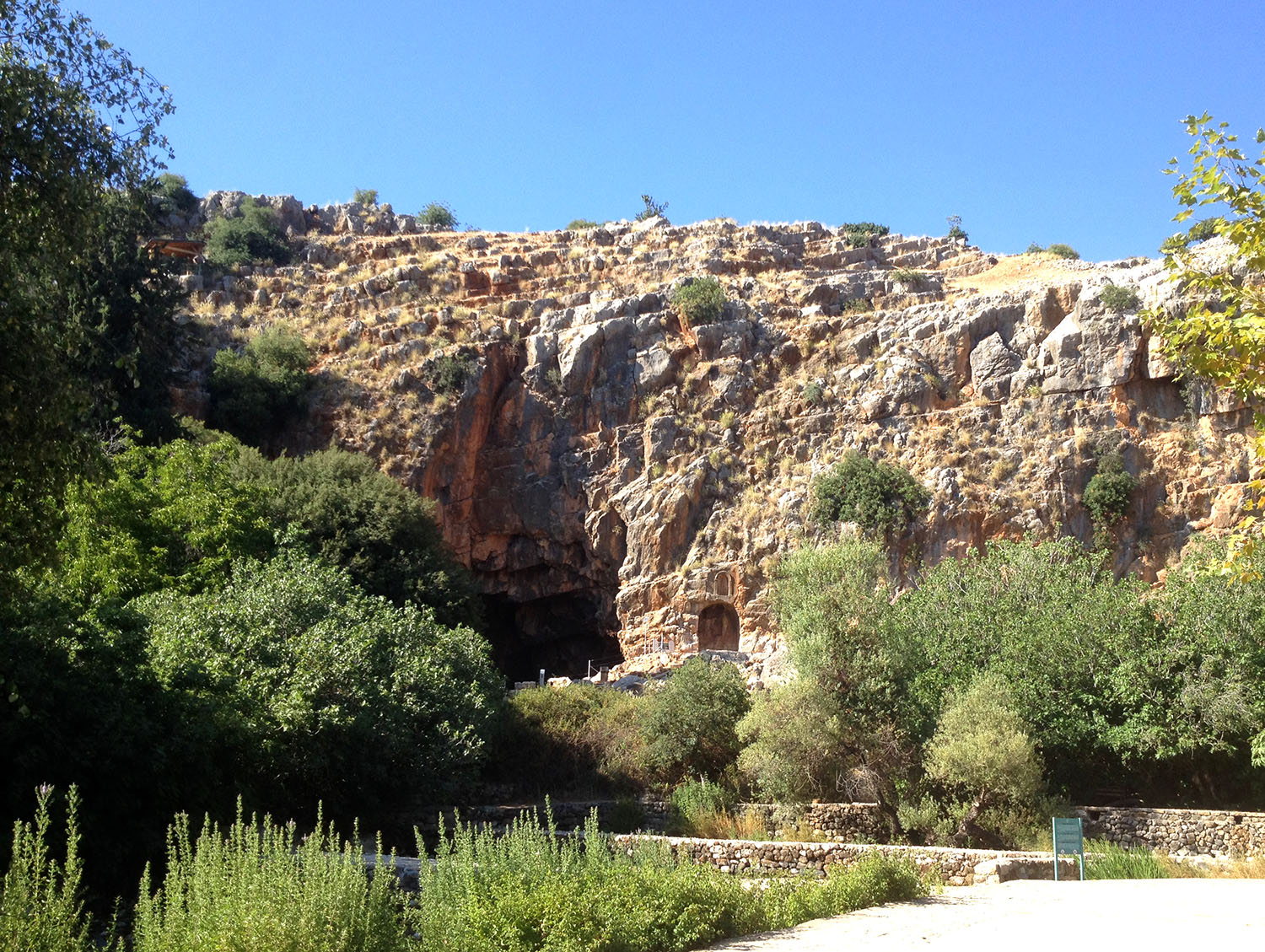
Caesarea Philippi
Caesarea Philippi. Made the capital city of northern Israel by Herod's Son Philip who was Tetrarchy of that particular region in Judea. He named the city in honor of the Emperor Caesar. Originally the city was calledPanion or Panias and was devoted to the worship of the Greek god Pan with a temple built there in worship to him. In the New Testament the Gospel indicate this city marked the northernmost limit of a city in His ministry--the lone exception being when He went further north to Mount Hermon or known as the Mount of Transfiguration. It was on the shear cliff overlooking the gross pagan idolatry of Pan that Jesus asked His disciples who the people of Galilee thought He was. Peter made His great confession of faith here (Matthew 16:13-16; Mark 8:27-30; Luke 9:18-21).
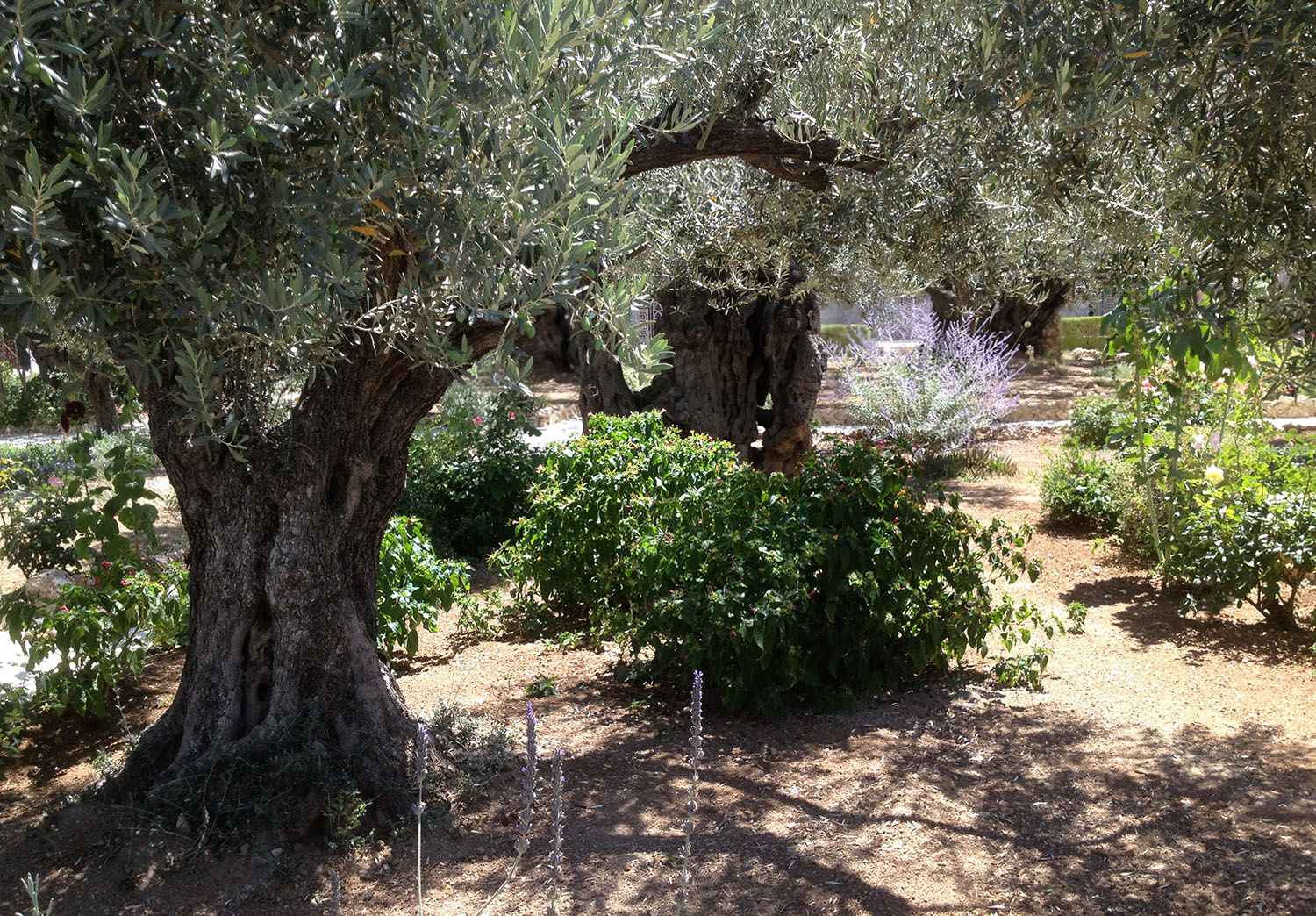
The Garden of Gethsemane
The Garden of Gethsemane. The word "Gethsemane" comes from an Aramaic word meaning, "oil press". Named twice in the Gospel accounts ( Matthew 26:36; Mark 14:32). In Jesus' time this place had olives presses and many rows of olive trees. It is located just east of the Eastern Gate of the Temple Mount on an elevated plateau resting in front of the Kidron Valley. After ministering in Jerusalem, Jesus often resorted in the Garden of Gethsemane with the twelve for rest and prayer. It was here, on the night before His death, Jesus fell into great agony while praying and sweat great drops of blood (Luke 22:44). It was in this Garden Jesus was betrayed by Judas Iscariot and arrested and brought before the Sanhedrin (Matthew 26:47-56; Mark 14:43-50; Luke 22:47-53; John 18:2-11). Today there is the Roman Catholic Church called the Church of All Nations where the traditional Rock of Agony is found inside where Jesus fell in prayer and great agony. Outside the Church are ancient olive trees that reputedly go back to the times of King David and Jesus!
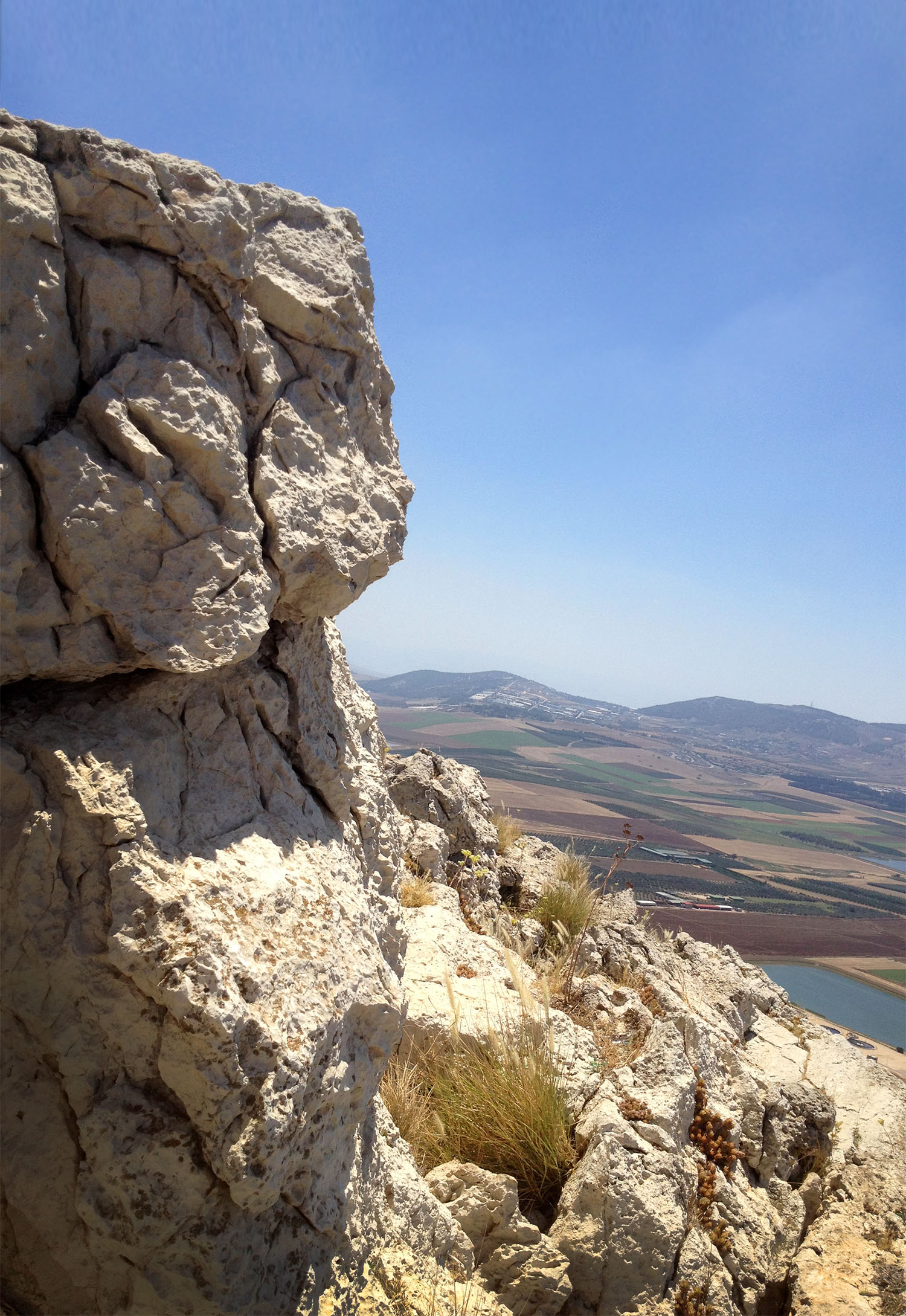
Mount of Precipice
Mount of Precipice's highest peak and steepest cliff. This or one of the nearby cliffs could be the place where the angry crowd tried to throw Jesus down to a certain death. (Luke 4:28-29)
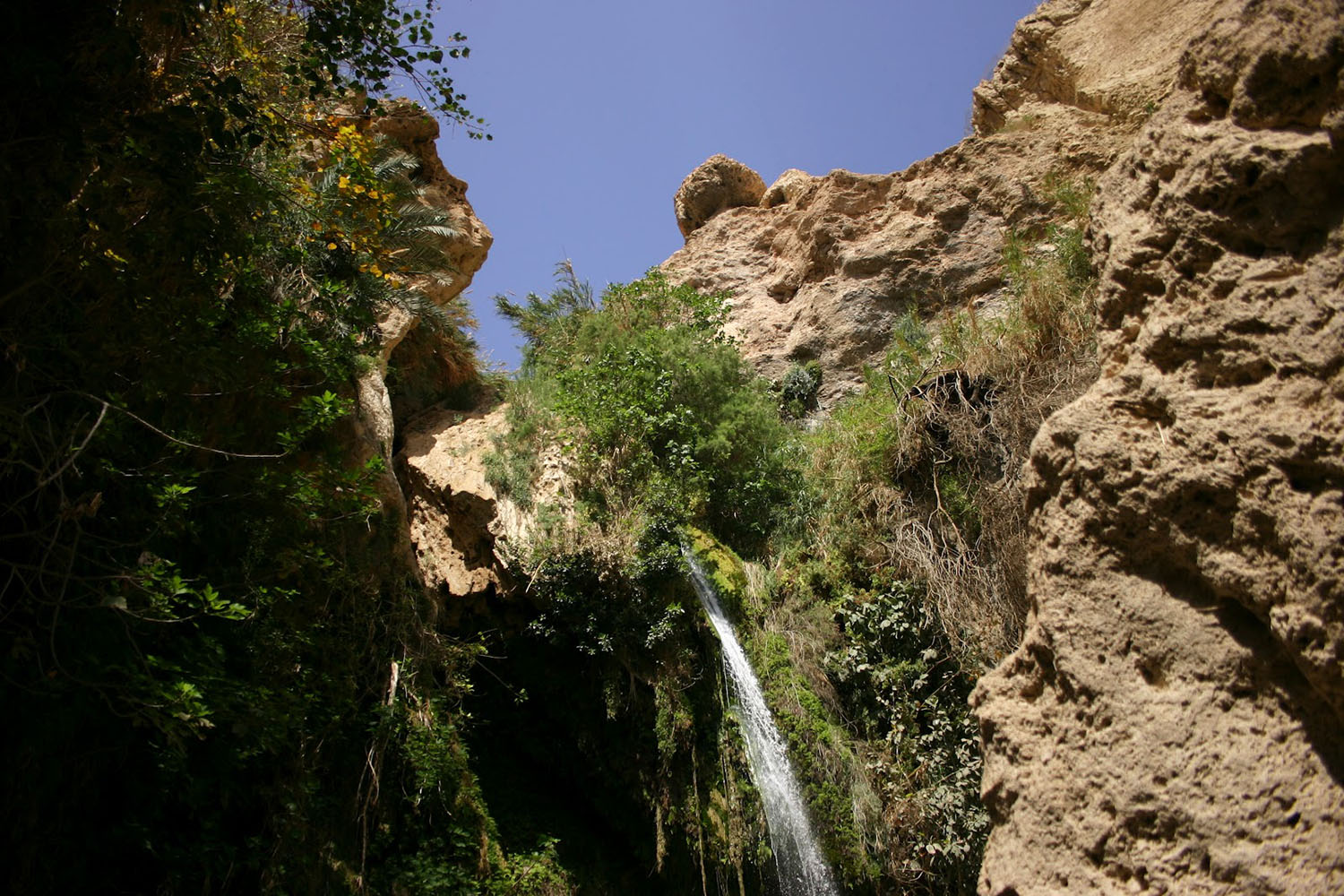
En Gedi
En Gedi. A beautiful oasis in the Judean desert located west of the Dead Sea. King David hid in the Addumim caves there from Saul which are still there today (1Samuel 23:29). In the future millennial Kingdom of Jesus Christ fishermen will stand on the shores of the Dead Sea "from En Gedi to En Eglaim" once the Dead Sea becomes fresh.
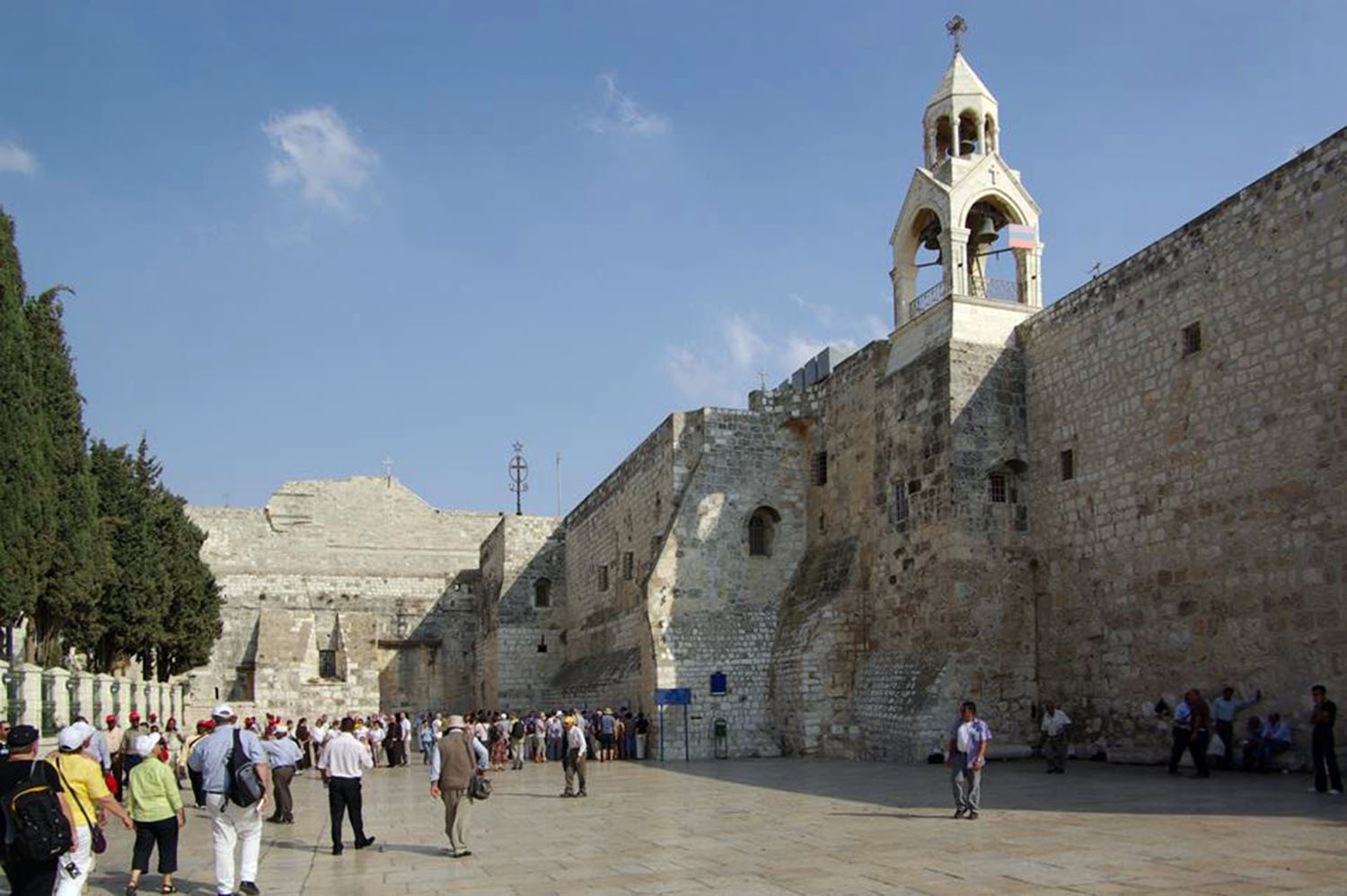
Bethlehem
Bethlehem: Was a small village in Ancient Israel. The city was also called in ure,"the City of David"because it was the birthplace and family home of King David (1Samuel 1:17). It is here where Micah the Prophet predicted Messiah King would come forth from this small town over 700 years before Jesus' birth there (Micah 5:1-2). And here Messiah Jesus was born to fulfill this Messianic prophecy as we learn from the historical accounts in the Gospels of Matthew and Luke (Matthew 2:1-12; Luke 11). Bethlehem means from Hebrew, "House of bread," and denotes that it was here Jesus the Bread of Life was born (John 6:35).
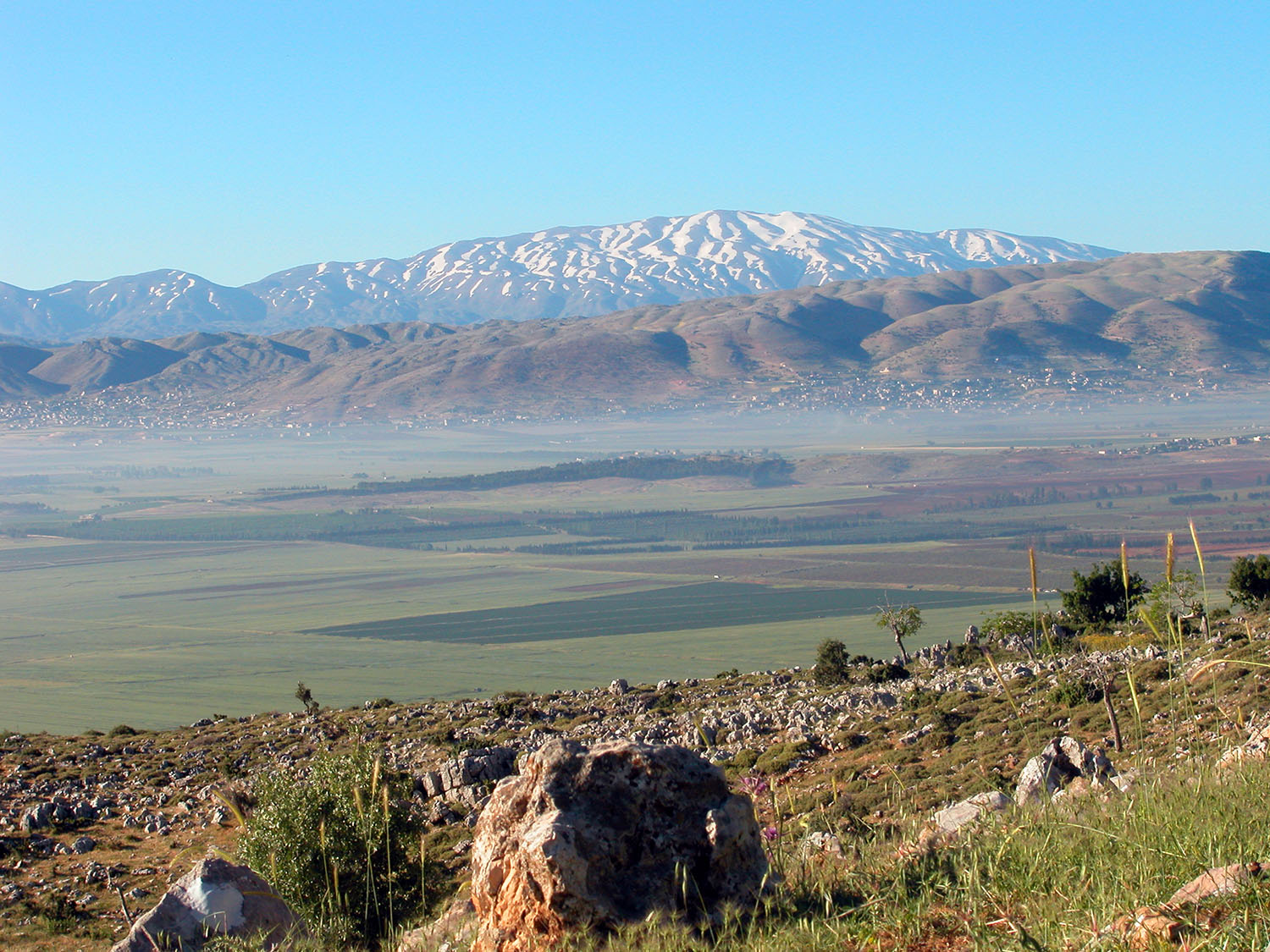
Mount Hermon
Mount Hermon: The likely site for where the the transfiguration of Jesus Christ took place since it is closer in proximity to Caesarea Philippi than the other traditional location on Mount Tabor--which is not a mountain but a hill (Matthew 17:1-7). Mount Hermon is the likely site for the Mount of Transfiguration because the biblical text says Jesus took Peter, James, and John to a "high mountain" (Matthew 17:1). Mount Hermon is over 9,200 feet in elevation while Mount Tabor is only 1,843 feet high. Today Mount Hermon has a modern day ski resort for Israelis who want to go skiing during the winter time in Israel. The melted snow from Mount Hermon feeds directly into the tributary of the Jordan River which then flows into the Sea of Galilee and the Dead Sea.
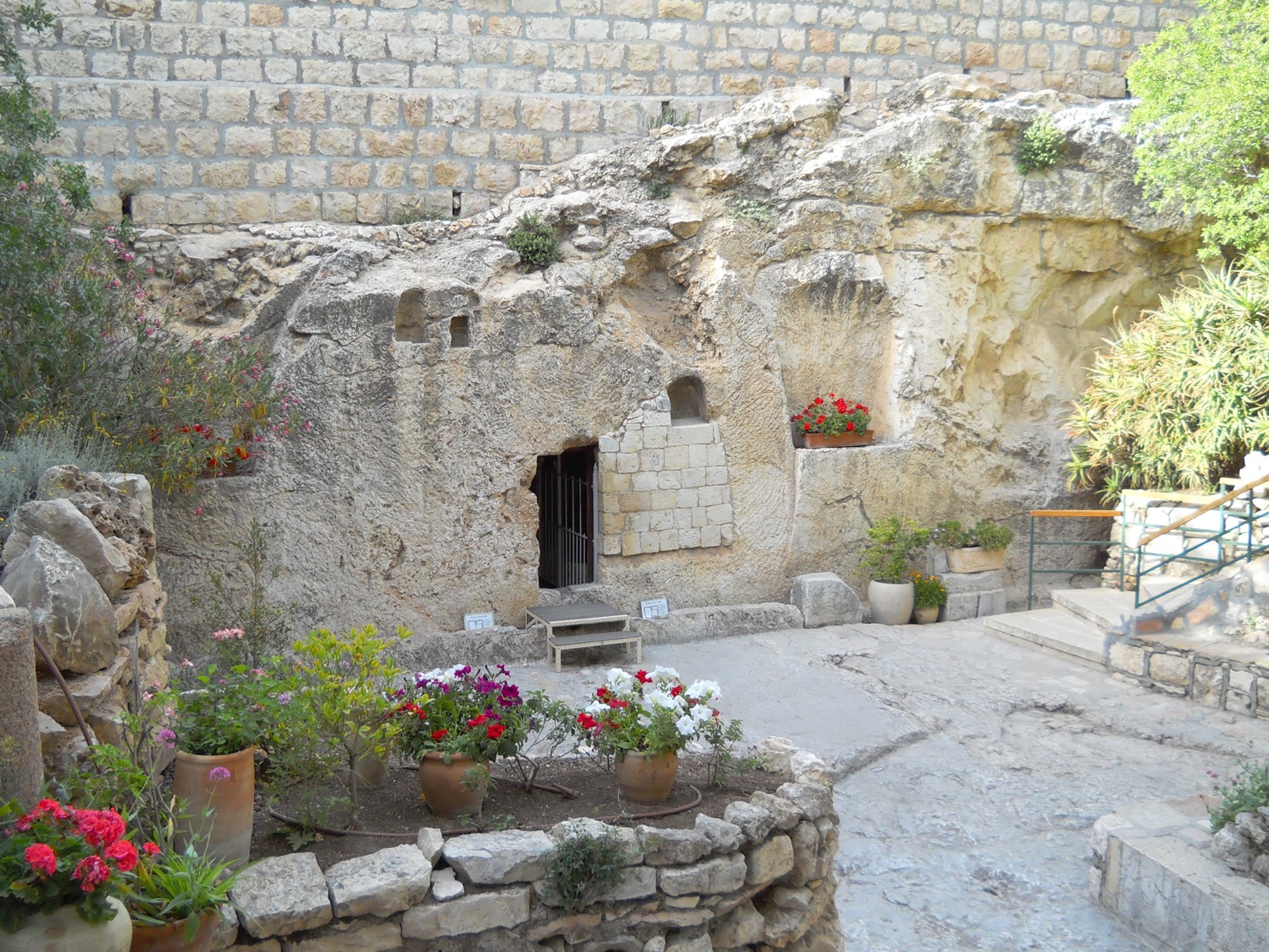
The Garden Tomb
The Garden Tomb: Was discovered and unearthed in 1867 and believed to be the possible site of Jesus' burial and resurrection. The Garden tomb is quite near another location that seems to be the place of Calvary where Jesus was Crucified. The fact this tomb was originally located in a Garden in the first century that only wealthy people could afford and is near the a hill in East Jerusalem that has the bearing of a human skull makes this a compelling case this is where Jesus was actually buried after being taken down from the cross. Christian pilgrims can go and visit both sites today. Remember the Gospel narratives tell us Jesus was buried in the rich tomb of Joseph of Arimethea where there was also a garden not far from the execution site of Golgotha (Matthew 27:57-60; Mark 15:42; Luke 23:50-54; John 19:38-42). The Garden Tomb location fits the New Testament scenario better than the other proposed site of the Church of the Holy Sepulchre.
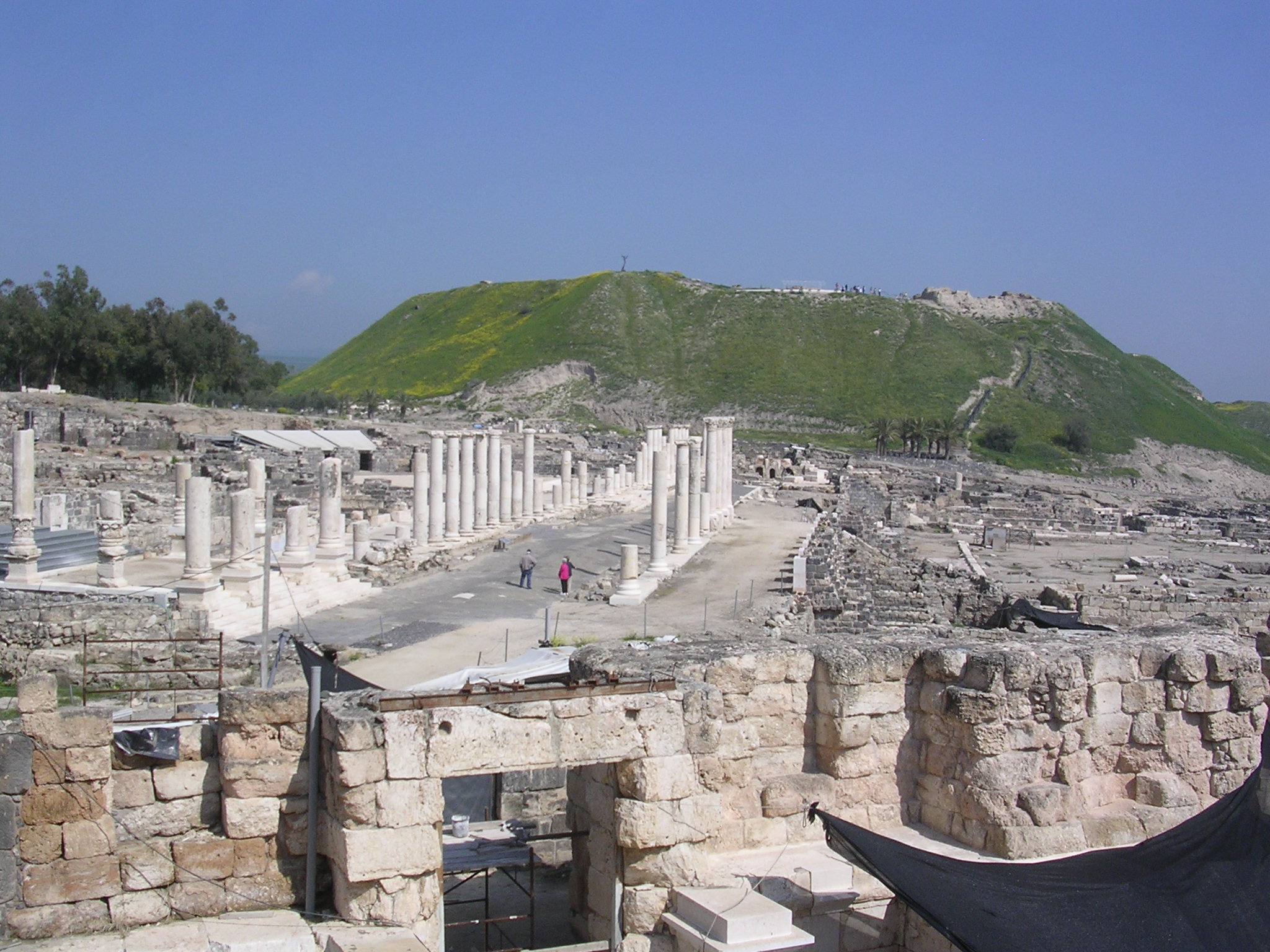
Beth Shean: Located south of Tiberias along the juncture of the Jezreel and Jordan Valleys. After King Saul and his son Jonathan were cut down in battle on Mount Gilboa, the Philistines cut off Saul's head and hung him on the walls of Beth Shan (1Samuel 31:10-12). In Jesus, time Beth Shan was one of the chief cities of the Decapolis--a collection of ten cities sharing in the Greco-Roman culture and belief of the times. It was called Scythopolis. Jesus went through the specific region ministering to these ten cities and undoubtedly went through Scythopolis during His public ministry in that area (Matthew 4:25; Mark 5:20; 7:30). The ruins of Beth Shan have been excavated by modern day Israeli archaeologists. And the Roman Amphitheater there has been fully excavated and restored.
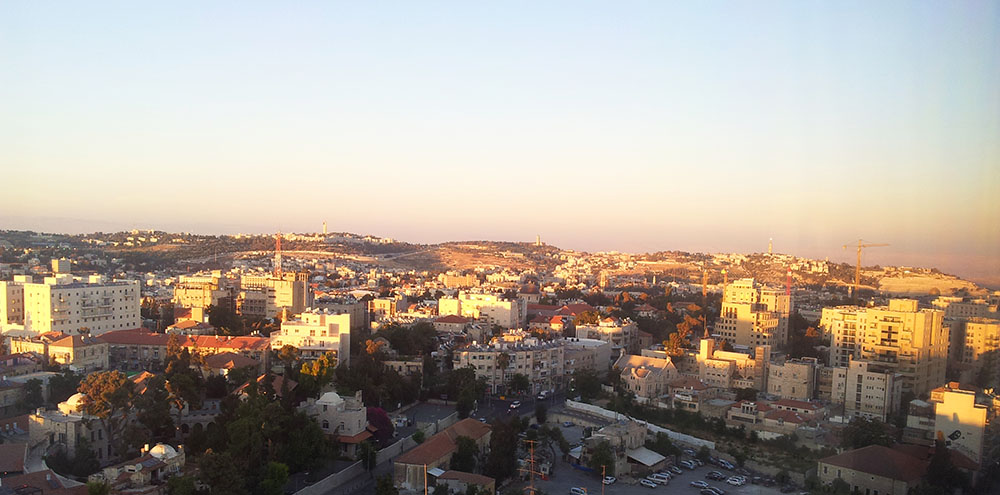
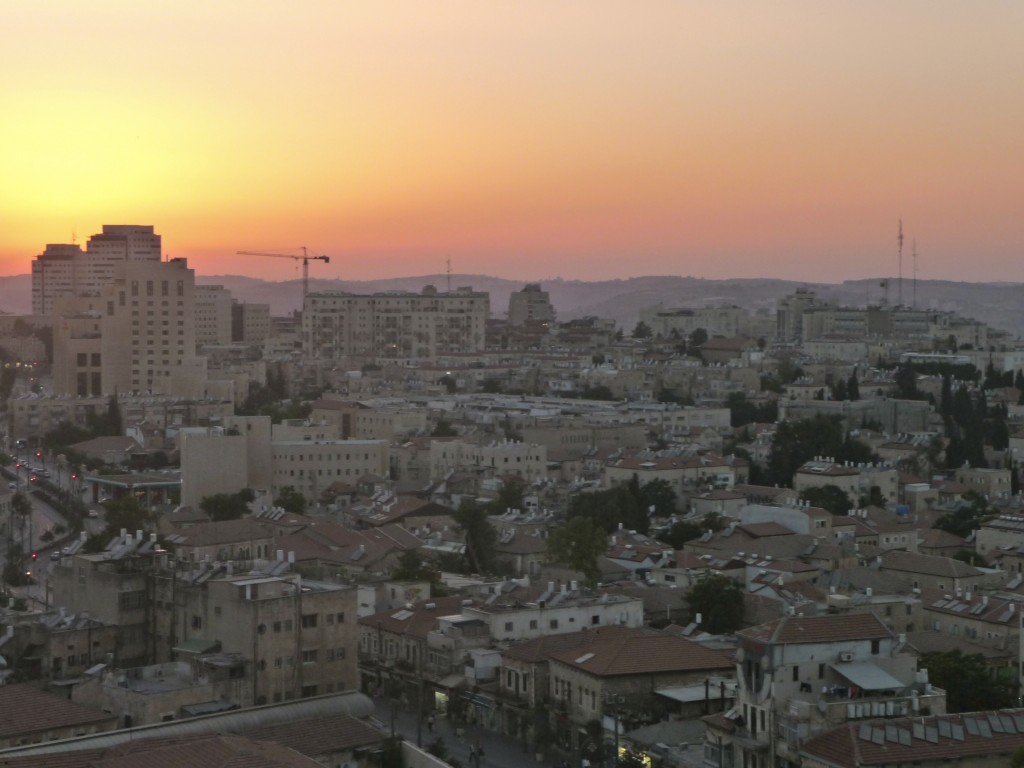
Modern-day Jerusalem
Modern day Jerusalem